

Jynxzi Invitational Tactical Review – The “generational” 5v5 tournament organized by Jynxzi served as an experimental arena to test the friction between high-elo “Champion” streamers and professional-grade talent. Historically, the “Champion” rank has been viewed as the pinnacle of individual ability within Rainbow Six Siege, yet this invitational exposed a significant displacement in tactical execution. Professionals like Spoit do not just out-aim their opponents; they manipulate the map’s geometry in ways that standard ranked players cannot predict. This divergence was most evident in the semifinal and final rounds, where pro-anchored teams utilized advanced utility clearing that rendered traditional “ranked-brain” aggression ineffective. The event proved that while aim can be equalized, professional decision-making speed remains the ultimate differentiator in high-stakes environments.
The “Catalyst” Breakdown: The 22-1 Statistical Anomaly

Every competitive tournament has a defining variable—a single “Catalyst”—and in this invitational, it was the raw output of William “Spoit” Löfstedt. During the grand finals against Team Jason, Spoit posted an unprecedented 22-1 kill-to-death ratio on the closing map. To put this in perspective, in a standard 5v5 format, Spoit was effectively eliminating nearly half of the opposing team every round while only falling once. This level of mechanical sovereignty suggests that the gap Jynxzi noted isn’t just a matter of practice, but a difference in “recoil mastery” and “game-state reading.” Even players like Ricci, who maintain top-tier standings on the global leaderboards, were unable to find an answer to Spoit’s unpredictability.
Strategic Point Forms: Dissecting Team Marlon’s Tactical Superiority
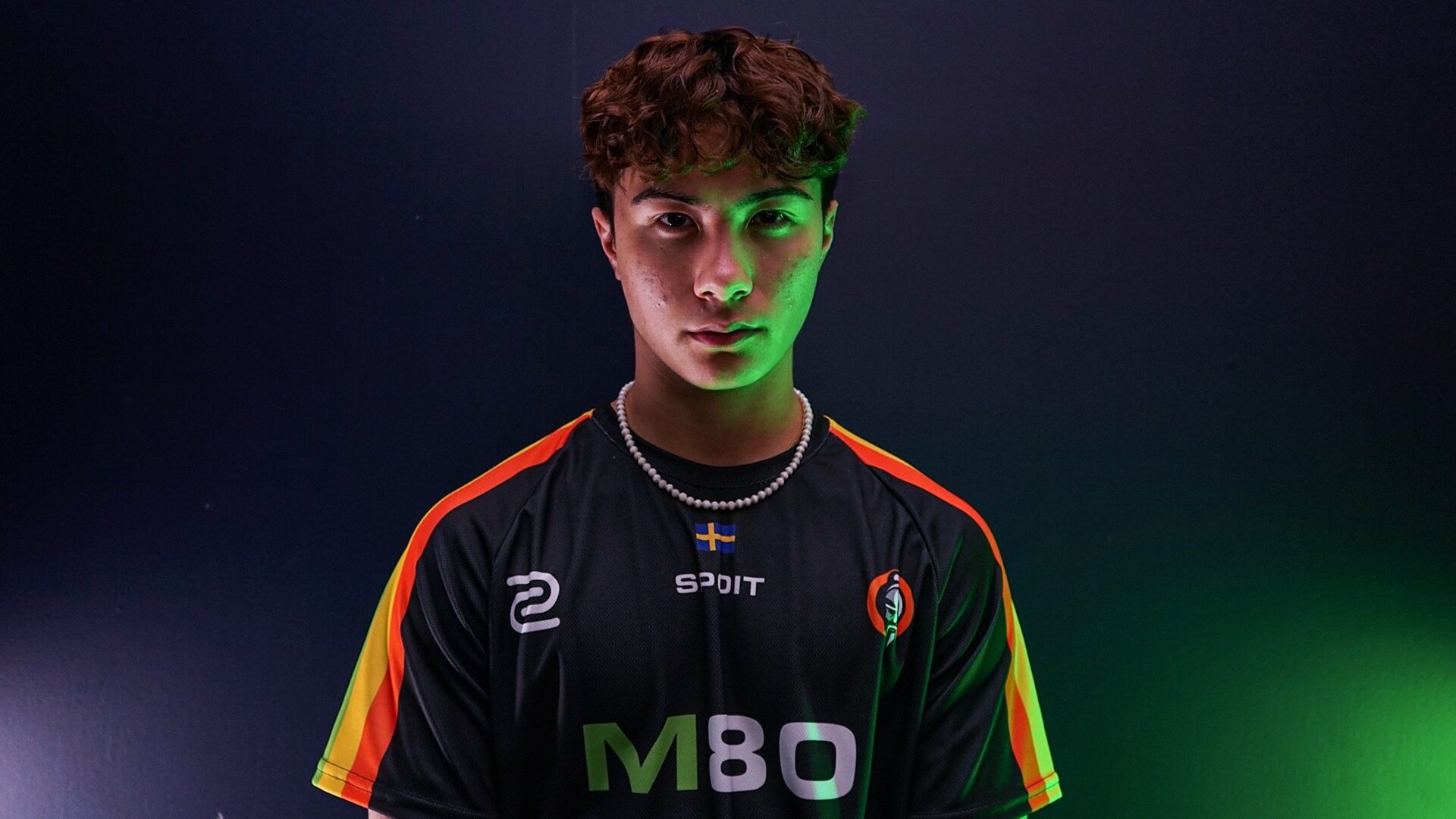
Team Marlon’s path to the trophy was paved by specific tactical maneuvers that successfully integrated novice streamers with professional-tier strategies:
- The “Rust-to-Siege” Aim Conversion:
- Recoil Smoothing: Players like A1dan and Willjum, known for their high-stress recoil control in Rust, were able to stabilize weapons like the F2 and SMG-11 with a precision that rivaled some pro players.
- Flick Consistency: Leveraging the “flick” mechanics inherent to survival FPS games to counter-peek pro defenders in the semifinals.
- Hybrid Utility Management:
- Simplified Denials: Spoit coached Marlon through a successful “Bandit Trick,” a high-skill wall denial move, in real-time, showcasing the importance of professional-led communication.
- Drone Efficiency: Team Marlon consistently kept at least three drones active during executes, a professional habit that most streamer-only teams neglected in favor of “man-advantage” pushes.
The Comparison Matrix: Finalists’ Operational Profiles – Jynxzi Invitational Tactical Review
Pro Scene Analysis: Scaling the Creator-Competition Model – Jynxzi Invitational Tactical Review

The conclusion of Jynxzi’s latest event provides a roadmap for the future of creator-led esports. By including “wildcard” players from different backgrounds—such as the high-precision Rust shooters—Jynxzi has created a unique ecosystem where raw aim meets professional structure. While Team Marlon walked away with the title, the broader narrative is the evolution of the competitive circuit. With upcoming events confirmed for Rocket League, Fortnite, and Apex Legends, the “Jynxzi Invitational” brand is transitioning from a casual weekend stream into a legitimate analysis platform. For the Siege community, the takeaway is clear: as long as professionals like Spoit are involved, the ceiling for what is possible in a “streamer tournament” will continue to be pushed to professional heights.


