

Alien Isolation 2 Teaser – The survival horror landscape has undergone a radical transformation since 2014, moving away from scripted jumpscares toward systemic, AI-driven tension. The original Alien: Isolation was the pioneer of this “persistent predator” meta, utilizing a dual-brain AI system that ensured the Xenomorph was always hunting, never just idling. As we look toward the sequel, the industry trend suggests a move toward “Open-Zone Horror”—a hybrid of structured narrative and expansive environmental navigation. By teasing a rain-soaked, open-sky environment, Creative Assembly is signaling a departure from the “corridor-sim” constraints of the Sevastopol. This tactical pivot forces players to reconsider their defensive geometry; when the ceiling is the sky rather than a ventilation shaft, the fundamental rules of engagement with the Xenomorph must be rewritten.
The Comparison Matrix: Sevastopol vs. The New Frontier – Alien Isolation 2 Teaser
The “X-Factor” Analysis: Al Hope and the Return of the Predator
The most significant “X-Factor” in this development cycle is the confirmed return of Al Hope as Creative Director. In the pro-tier analysis of game design, the director’s philosophy is the “playmaker” that dictates the game’s soul. Hope’s previous work emphasized “under-powering” the player to maximize dread. By reintroducing the manual save station in the teaser—a mechanic many modern titles have discarded for the safety of auto-saves—Hope is doubling down on the “punishing reward” system. This manual save system acts as a psychological anchor; it isn’t just a point to stop playing, but a tactical objective that requires the player to risk their current progress to secure their future.
Strategic Point Forms: Tactical Maneuvers in Open Terrain – Alien Isolation 2 Teaser
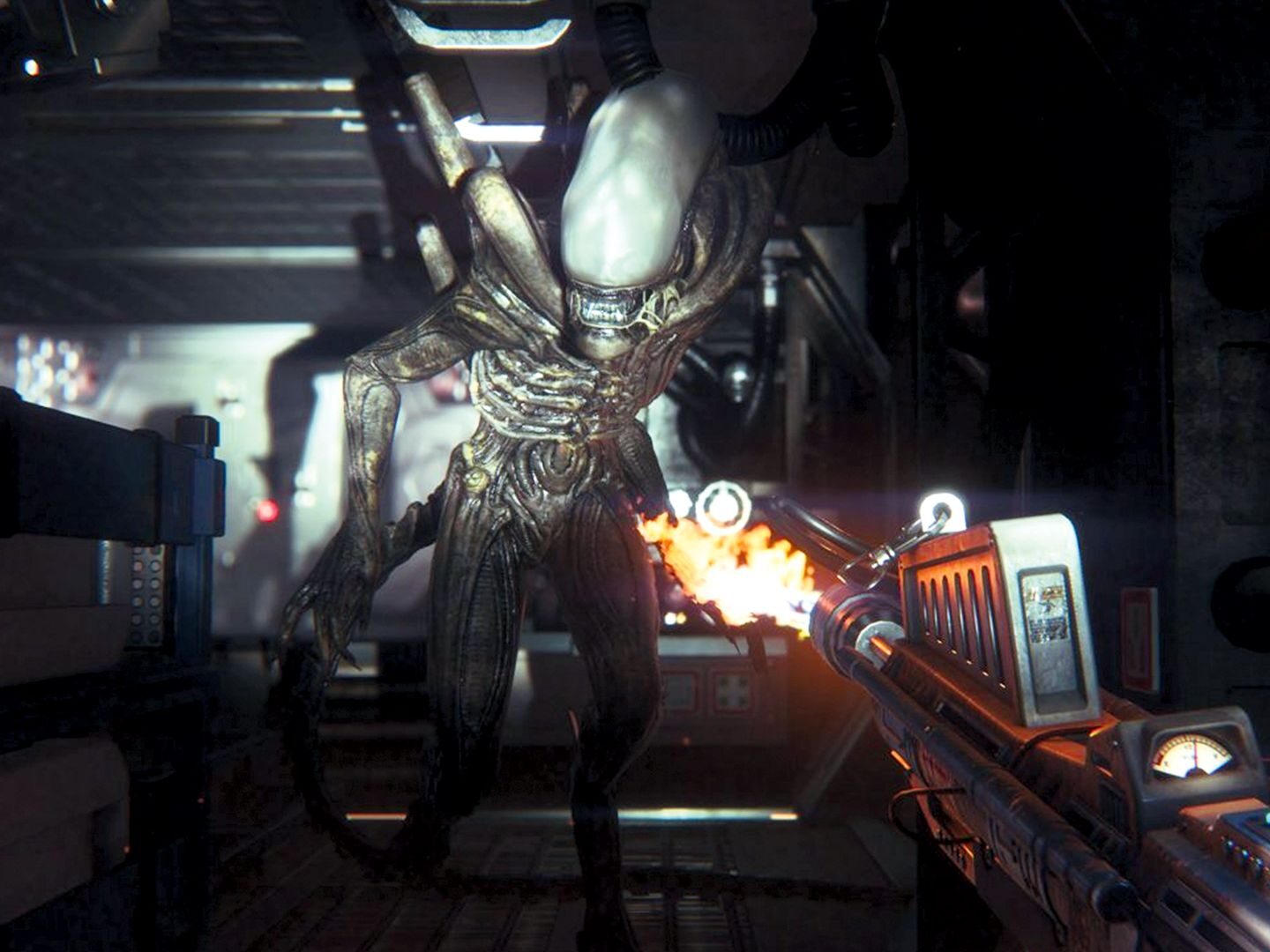
Moving the setting from a space station to a potentially planetside location introduces several complex tactical maneuvers that players must master:
- Environmental Masking:
- Acoustic Interference: Using the sound of heavy rain or thunder to mask movement noise from the Xenomorph’s sensitive hearing.
- Visual Obscuration: Leveraging low-hanging clouds or fog to move between cover points that would otherwise be exposed.
- Verticality vs. Horizontality:
- In Sevastopol, the threat was often 3D (vents above/below).
- In the sequel’s open environment, the “Grey Overcast Sky” suggests a shift toward 360-degree horizontal awareness, requiring a different use of the motion tracker.
- Safe Zone Optimization:
- The “A False Sense of Security” teaser specifically highlights the blast doors.
- Strategic play will likely revolve around “Hard Points”—reinforced structures where the manual save phones reside—contrasted against the vulnerability of the “Soft Points” in the open rain.
The Industry Projection: Anticipation and Arrival
While the teaser provided a much-needed pulse check on the project, the timeline for Alien Isolation 2 remains a subject of intense speculation. Given that the game was formally acknowledged during the 10th-anniversary celebrations in October 2024, and considering the current 4–6 year development cycles for AAA titles, a release window of late 2027 or early 2028 is the most realistic analytical projection. The game has already secured a “Most Anticipated” accolade at the 2024 Horror Game Awards, signaling high market confidence. Whether the narrative continues the grueling journey of Amanda Ripley—last seen drifting in the vacuum of space—or introduces a new perspective to the franchise, the shift in scope suggests that the sequel aims to be more than a simple follow-up; it is a total recalibration of the Alien survival experience.


