

Fortnite Competitive Rule Enforcement – The current friction within the Fortnite competitive ecosystem highlights a growing divide between traditional tournament administration and the rapid evolution of third-party analytical software. Historically, “Drop Calculators” were benign, static utilities used to optimize landing trajectories. However, the emergence of real-time telemetry—tools that scrape live game data to provide dynamic bus-route overlays—has pushed the boundaries of what constitutes “external assistance.” The FNCS Major 1 crisis is a symptom of “Rulebook Lag,” where the official guidelines fail to keep pace with the technical nuances of modern training tools. By the time Epic Games recognized the distinction between static information and live-state intervention, the damage to the competitive bracket had become irreversible, creating a precedent where administrative error carries a heavier penalty than the alleged infraction.
Strategic Point Forms: Deconstructing the “Real-Time” Infraction – Fortnite Competitive Rule Enforcement
The tactical advantage provided by modern drop tools moved beyond simple mathematics into the territory of active game-state manipulation. Epic Games has now clarified the specific technical thresholds that trigger a permanent ban:
- Unauthorized Data Extraction:
- Active Memory Reading: Tools that scan the game’s RAM to identify the Battle Bus path before it is visually confirmed.
- Network Traffic Interception: Analyzing data packets sent from Epic’s servers to the client to gain millisecond advantages in drop timing.
- Visual & Audio Overlays:
- Screen Recording/OCR: Using Optical Character Recognition to “read” the screen and calculate optimal deployment height in real-time.
- Overlay Interference: Any HUD element that populates the screen with data not natively provided by the Fortnite client.
- The “Static” Exception:
- Permitted use of browser-based maps that require manual coordinate input.
- Use of historical data sets that do not communicate with the live instance of the game.
The “Catalyst” Breakdown: The Erasure of the Elite – Fortnite Competitive Rule Enforcement
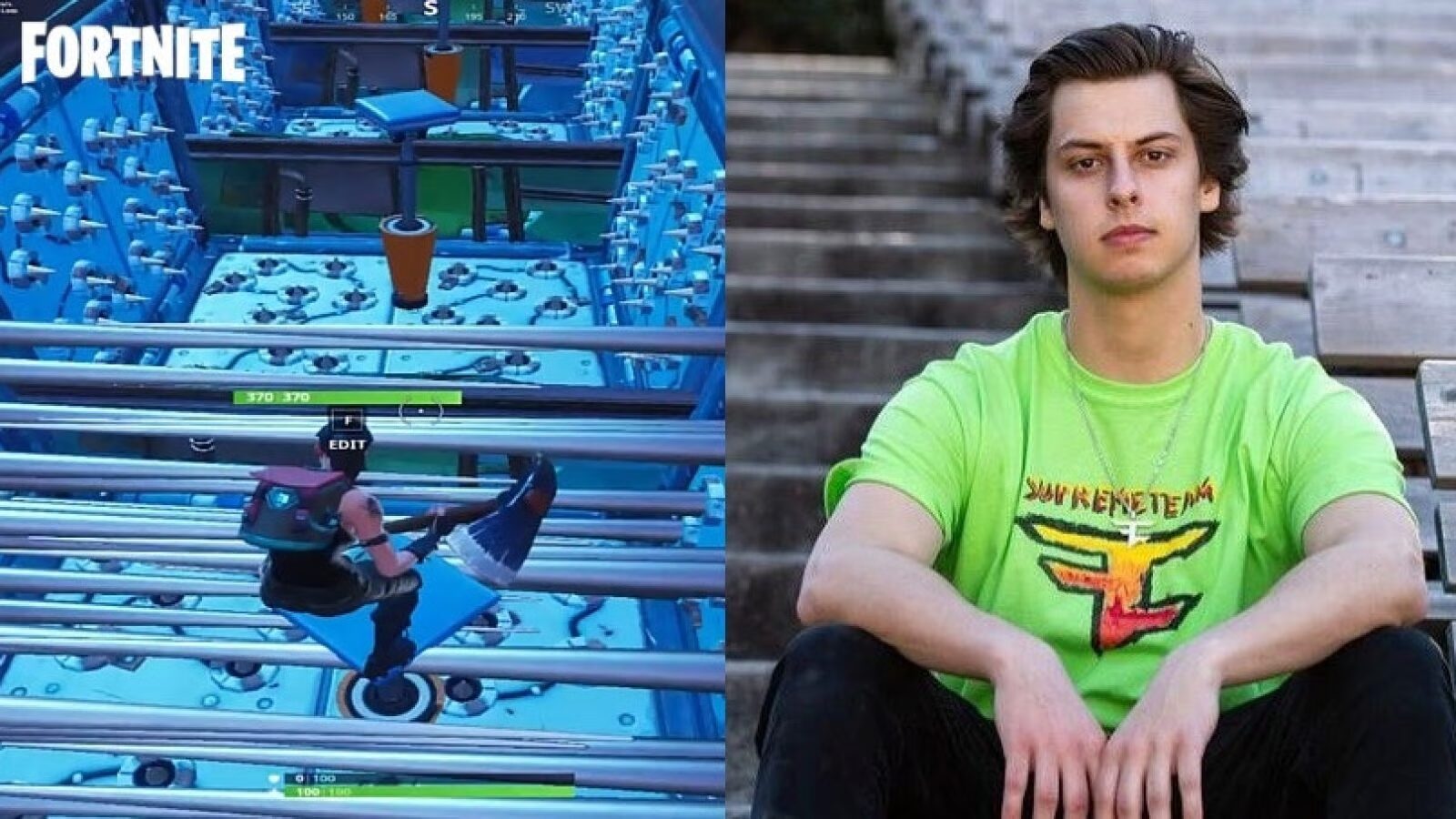
The most jarring element of this crisis is the identity of the affected players. When names like Bugha—the most iconic figure in Fortnite history—alongside veterans like Tragic and Kreaz, are removed from a Major due to a self-admitted “mistake,” it creates a massive vacuum in the professional scene. These players represent the “Strategic Anchor” of their respective regions; their absence doesn’t just change the leaderboard, it lowers the overall tactical ceiling of the lobby. The refusal to “Restart Grands” or reintegrate these players suggests that Epic Games is prioritizing the logistics of the broadcast schedule over the competitive equity of the participants. This decision has effectively ended the Major 1 cycle for these athletes, stripping them of the opportunity to qualify for the $1 Million FNCS Major 1 Summit in Düsseldorf later this May.
The Comparison Matrix: Enforcement Philosophies
Pro Scene Analysis: The #RestartGrands Paradox
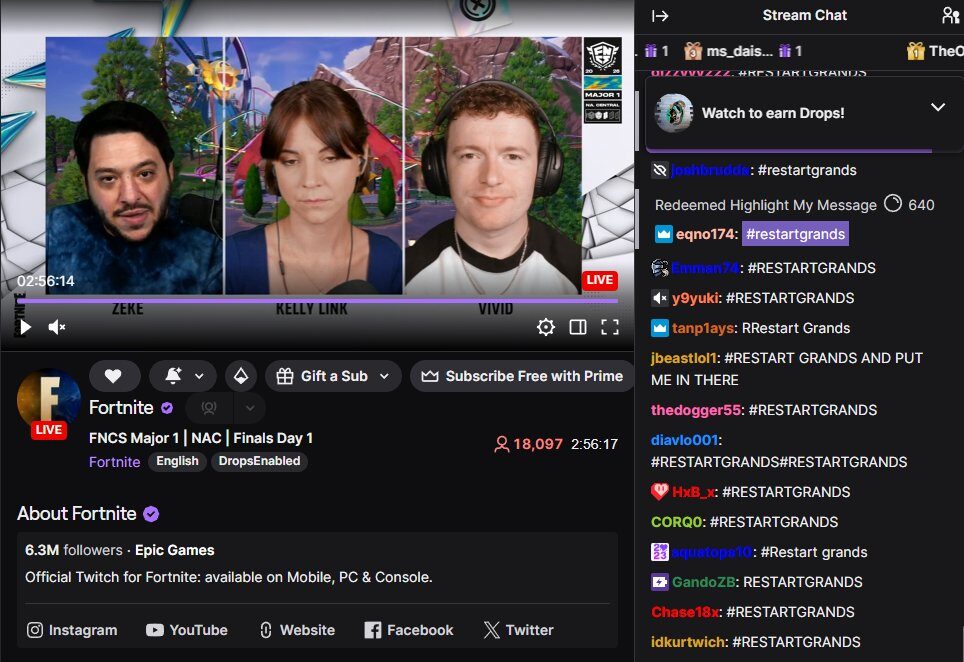
The community’s response, encapsulated in the viral #RestartGrands movement, represents a significant moment of collective bargaining in esports. For many analysts, Epic’s refusal to reset the tournament, citing that “lobbies are now full,” is a hollow justification in a digital environment where server instances can be replicated at will. This situation has exposed a critical flaw in the “Major” format: there is no redundancy for administrative error. As the Reload Elite Series approaches, the shadow of Major 1 will loom large. The professional scene is now operating under a cloud of uncertainty, where players must weigh the benefits of tactical optimization against the risk of an ill-defined “cheating” label that could cost them their careers, even if they are eventually found innocent.


