

T1 Keria Contract Extension – The modern League of Legends meta has shifted from the traditional “ward-bot” support role to a high-agency, secondary carry position, a transition largely pioneered by Ryu “Keria” Min-seok. In the current professional ecosystem, team stability is often sacrificed for seasonal “super-teams,” yet T1 has opted for a counter-trend: unprecedented architectural longevity. By locking in Keria until 2029, alongside Faker (2029) and Oner (2028), T1 is betting on internal synergy as the ultimate competitive advantage. This strategy mitigates the “synergy tax” often paid by teams during the spring split, allowing T1 to maintain a consistent tactical identity that revolves around Keria’s unique ability to flex unconventional picks and dictate map tempo from the bottom lane.
The Comparison Matrix: Tactical Continuity vs. Roster Volatility – T1 Keria Contract Extension
The “X-Factor” Analysis: The “Monster of All Geniuses” – T1 Keria Contract Extension
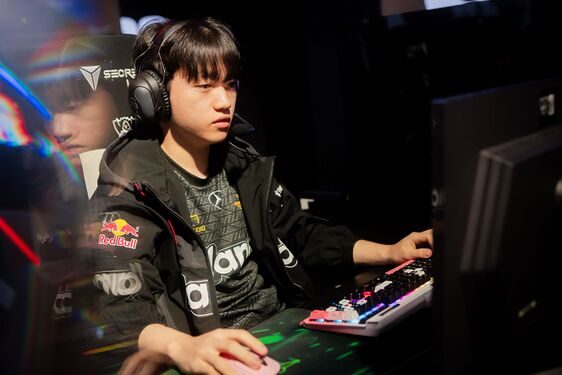
Keria’s “X-Factor” lies in his nickname, Yeok-Cheon-Gwae (The Monster of All Geniuses). Unlike traditional supports who react to the game state, Keria creates it. His performance at Worlds 2025, specifically the “200 IQ Wolf play,” serves as a masterclass in professional intuition. By staying with T1, Keria isn’t just filling a roster spot; he is acting as the primary engine for their creative drafts. In an era where Zeus and Gumayusi have departed, Keria’s presence provides a necessary mechanical safety net for the incoming talent. He effectively bridges the gap between Faker’s macro-level leadership and the explosive mechanical requirements of the current meta, making him perhaps the most irreplaceable asset in the T1 organization.
Strategic Point Forms: Deconstructing the Keria Playbook
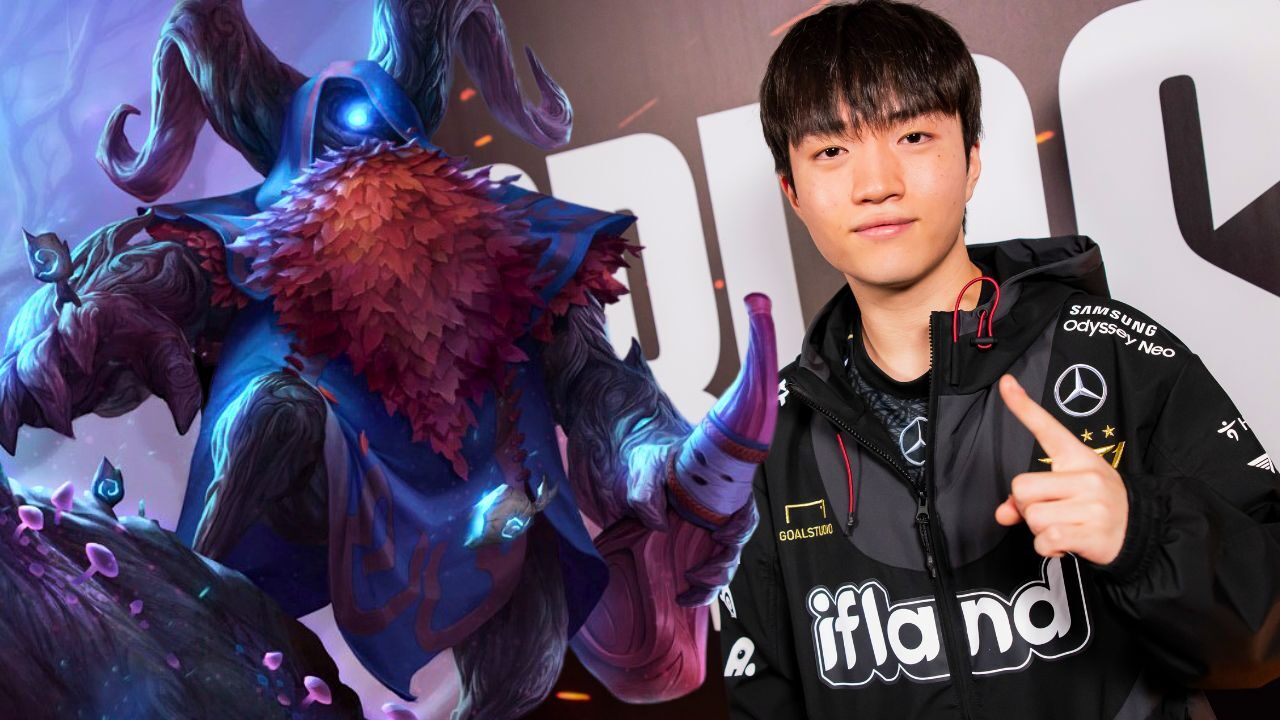
Keria’s impact on T1’s tactical success can be broken down into three specific operational layers that define their winning conditions:
- Vision Dominance & Jungle Proximity:
- Deep Counter-Ward Envelopes: Keria utilizes Oner’s pathing to establish vision “dead zones” in the enemy jungle, forcing opponents into uncomfortable face-checks.
- The “Roaming Support” Pivot: Abandoning the lane at unconventional timings to create 3v1 scenarios in the mid-lane, a tactic that has become a T1 hallmark.
- Draft Anarchy:
- The Marksman Support Flex: By mastering champions like Kalista or Caitlyn in the support role, he forces opponents to waste bans on non-traditional threats.
- Counter-Pick Priority: T1 often uses Keria as a late-draft “hidden blade,” selecting his champion last to ensure a dominant laning phase.
- Clutch Micro-Execution:
- High-precision skillshot accuracy during objective contests (Baron/Elder).
- Frame-perfect peel maneuvers that extend Faker’s survivability in late-game teamfights.
Pro Scene Analysis: A Statement of Intent
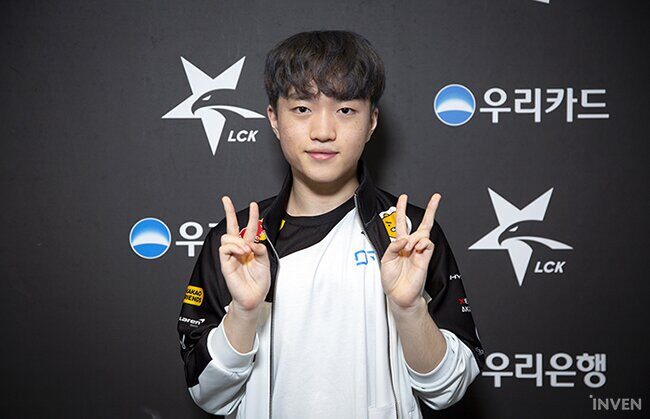
The announcement at the Inspire Arena in Incheon was more than just a fan service event; it was a psychological blow to the rest of the LCK. For years, the narrative surrounding T1 suggested that their “ZOFGK” era was a lightning-in-a-bottle moment. However, by securing Keria through 2029, T1 has signaled that their “Three-Peat” at Worlds was not a conclusion, but a foundation. While other teams scramble to rebuild their identity every November, T1 has now locked in a three-man core that could realistically play together for nearly a decade. This level of continuity is virtually unheard of in esports and places T1 in a unique position to maintain their status as the gold standard of professional League of Legends for the foreseeable future.


