

The Rory McIlroy Melbourne return felt like a story that had been paused, not lost. Ten years since he last hoisted the Australian Open trophy, he stepped back into a city that stores sporting memories with almost obsessive clarity. Melbourne didn’t treat him like a visitor; it treated him like a returning protagonist whose storyline was overdue for another chapter.
People whispered about 2013. About the maturity he found here. About the rhythm he once rediscovered on these fairways. It was as if the decade between chapters only sharpened the appetite for the next one.
This wasn’t a comeback. It was a resumption.
Melbourne Crowds Take Control: The City Turns Rory Blue
Before a club was swung, the day had already taken on a life of its own. By 6:30am, more than 2,000 fans stood in queue outside Royal Melbourne—schoolkids in uniforms, office workers with coffees, retirees in wide-brimmed hats. The gates opened early under sheer pressure from the turnout. The city wasn’t waiting. The city was moving.
Around the opening tee, galleries stacked four deep as though waiting for a Sunday charge, not a Thursday start. From the rough behind the green, you could hear the kind of murmurs usually reserved for major championship drama.
Melbourne Morning Crowd Table
| Moment | Detail |
|---|---|
| Pre-dawn turnout | 2,000+ waiting before gates opened |
| Gate decision | Officials opened early due to pressure |
| First-hole galleries | Four-deep within minutes |
| Player reaction | “The biggest crowd I’ve ever played in front of.” – Min Woo Lee |
Adam Scott felt the lift immediately. Cameron Smith admitted he didn’t expect anyone waiting for his early tee time. Even volunteers couldn’t move freely—Steph Kyriacou hid behind her scoreboard just to navigate the human tide.
This wasn’t simply attendance. It was takeover.
The Sandbelt Bares Its Teeth: Wind, Heat and a Benadryl Moment
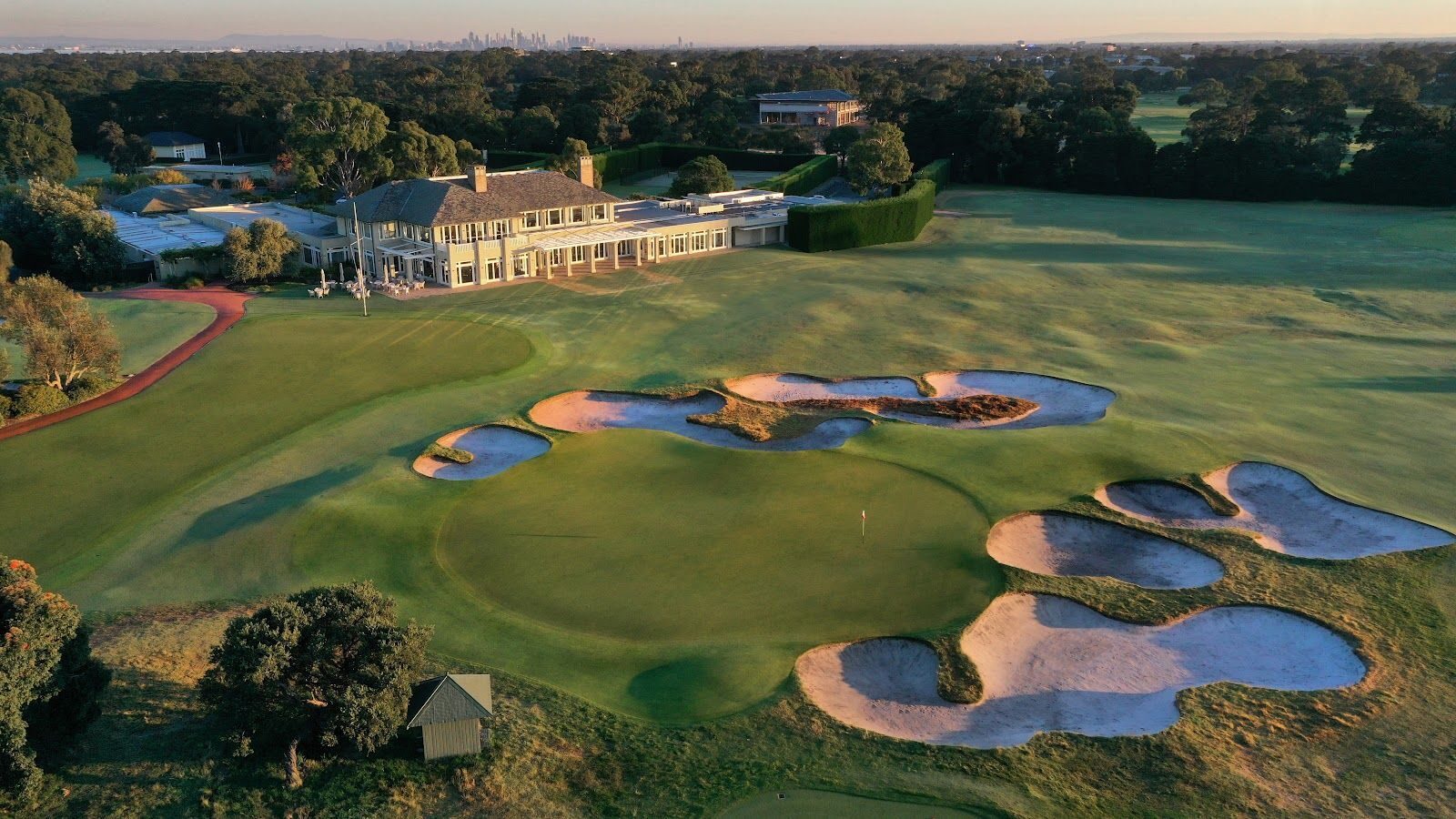
Once the round began, Royal Melbourne reminded everyone it doesn’t offer gentle welcomes. A dry northerly wind sliced across the fairways, turning routine approaches into guesswork. Heat built early. Flies swarmed in dense, irritating clouds. McIlroy, up since 4am as part of his routine, reached for antihistamines mid-round—his lighthearted “Benadryl moment” became part of the spectators’ whispered commentary.
The chaos had rhythm:
- Balls ballooning in the wind, landing nowhere near their planned trajectories
- Greens firm enough to turn soft landings into violent ricochets
- Players visibly recalculating shot plans two or three times before committing
Adam Scott later called the winds “borderline surreal.” McIlroy said the greens would’ve been “unplayable” had they been shaved tighter. Even on good swings, uncertainty lingered.
The environment became a character in the story, shaping every shot that followed.
A Round With No Predictable Arc: Birdies, Stumbles and the Echo of a Controversial Comment – Rory McIlroy Melbourne return
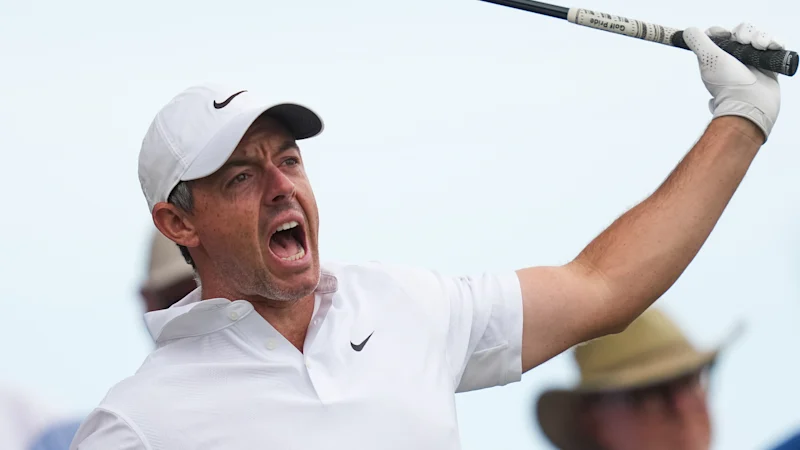
McIlroy started brightly with a birdie on the 10th, but the round quickly curved into something more cinematic than structured. His +1 (72) was scattered with emotion—five birdies, six bogeys, and two short putts on 11 and 12 that drew sharp intakes of breath from the gallery. A bombed putt would ignite roars; a stray drive would trigger nervous laughter. It was a round that refused a single mood.
Shadowing him, however, was one comment from earlier in the week: his cheeky admission that Royal Melbourne was “probably not the best course in Melbourne,” praising Kingston Heath instead. After a loose iron shot, a nearby fan muttered, “That’ll teach him.” The banter rolled with him for several holes.
He clarified later that Royal Melbourne still ranks among his top 10 courses in the world. The course responded the only way it knows how—demanding angles, brutal run-offs, and zero tolerance for imprecision.
It wasn’t a struggle. It wasn’t brilliance. It was theatre.
The Rory Effect: How One Player Redefined an Entire Tournament’s Trajectory – Rory McIlroy Melbourne return
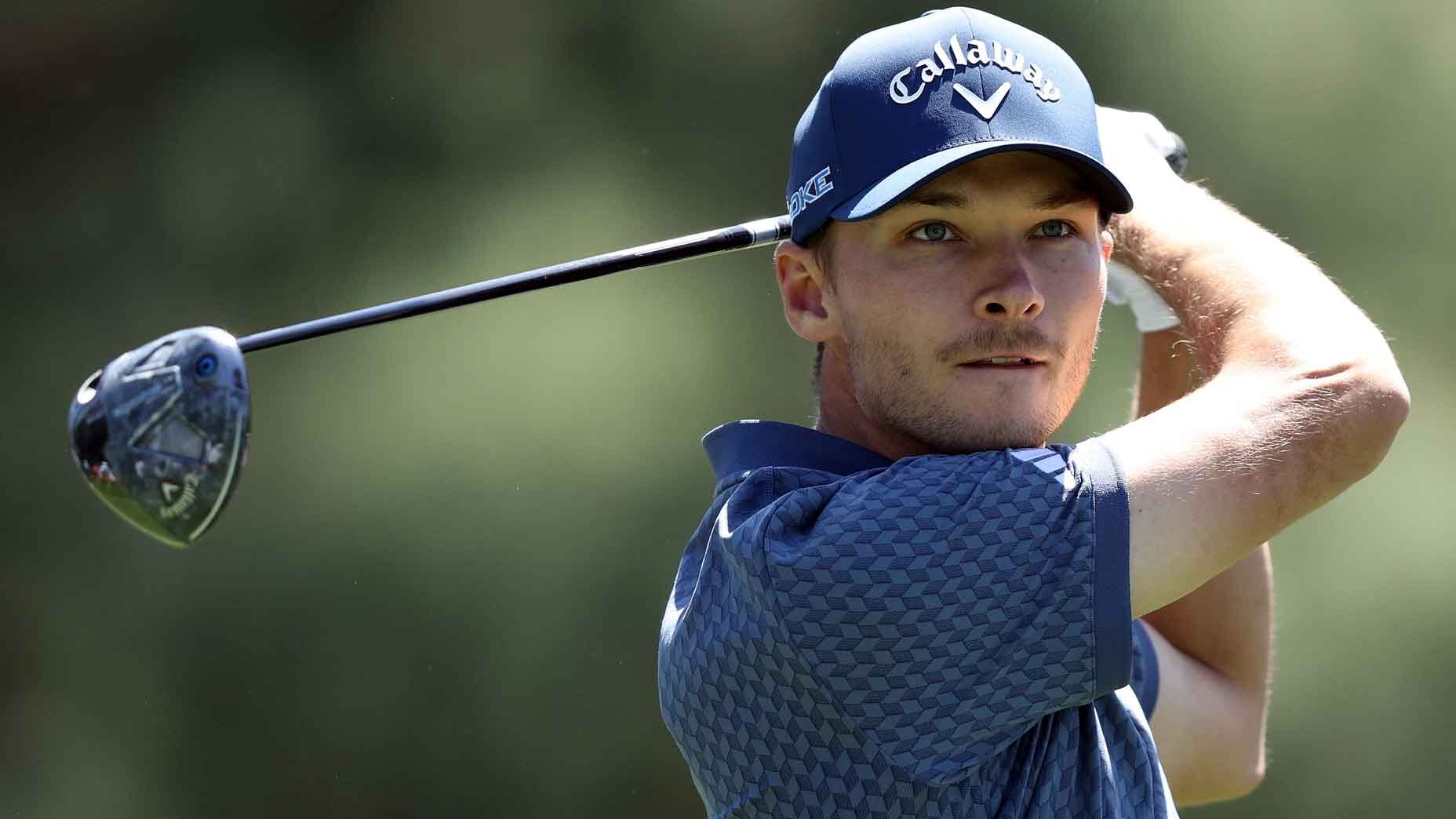
Beyond the ropes, his influence became impossible to ignore. McIlroy’s return elevated the Australian Open’s commercial and competitive profile overnight. Sponsors re-engaged. Weekend tickets sold out. The field improved, drawing Si Woo Kim, Ryan Fox, and rising talents like Nicolai Højgaard. His “five courses in one day” stunt on social media reached audiences far beyond Australia’s borders.
His presence didn’t just boost attendance—it reframed perception. The tournament felt global again. Australian golf felt urgent again.
McIlroy has always credited Australia with shaping key stages of his journey. Fans still feel that chapter deeply. And with the sport growing through Min Woo Lee, Cameron Smith, simulator golf booms, and LIV Adelaide’s massive attendances, the timing of his return felt almost too aligned to be accidental.
The Rory McIlroy Melbourne return wasn’t nostalgia—it was ignition.
Conclusion: A Day of Imperfection, Atmosphere and Revival in the Melbourne Return – Rory McIlroy Melbourne return
McIlroy’s opening round didn’t offer clean lines or perfect drama. It offered something better: human tension, unexpected turns, and a story Melbourne felt part of. The winds pushed, the crowds swelled, the course demanded, and McIlroy navigated it all with equal parts frustration and brilliance.
By the time he walked off the final green, the message was clear. Melbourne still knows how to build a moment. And Rory still knows how to create one.
The Rory McIlroy Melbourne return wasn’t just a sporting event. It was a reminder—of legacy, of connection, and of what the Australian Open can still become.


