

The landscape of European Dota 2 is undergoing a tectonic shift as we head into the new year, and no organization has made a louder statement than Team Liquid. Following the retirement of their long-time captain and the benching of key personnel, the organization has opted for a surgical pro scene analysis media approach to their rebuilding phase. By securing the veteran duo of Marcus “Ace” Hoelgaard and Erik “tOfu” Engel, Liquid isn’t just filling seats; they are recalibrating their entire approach to the dota 2 meta to ensure they remain a european dota 2 championship contender.
The 2026 Meta Overview: Stability vs. Explosivity
The current pro circuit environment in 2026 demands a delicate balance between disciplined map movements and the ability to pivot into chaotic team fights. Historically, Team Liquid has leaned toward a “green” playstyle—focused on sustainability and objective-taking. However, the dota 2 competitive landscape 2026 forecast suggests that the “deathball” era is being replaced by a more nuanced “4.5” support style, where the soft and hard supports share a more fluid farm priority. This shift makes Liquid’s recent acquisitions particularly relevant, as they bring a championship pedigree from their time with Gaimin Gladiators.
The Comparison Matrix: Evolution of the Liquid Core
To understand the esports strategy at play, we must look at what was lost versus what has been gained. This tiered glassmorphism table breaks down the structural changes within the starting five.
The “X-Factor” Analysis: Ace and tOfu Roster Impact
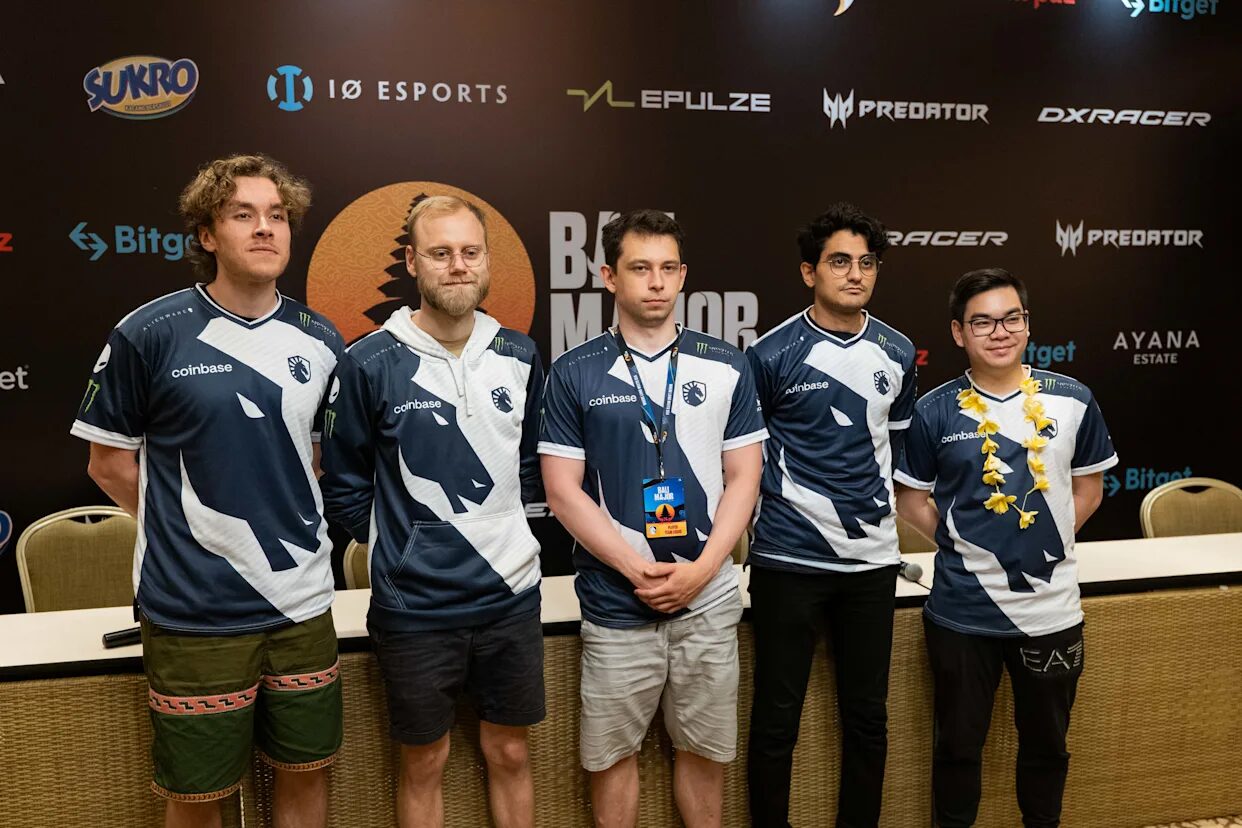
The most intriguing element of this pro scene analysis media review is the integration of a pre-existing duo into an established core. Usually, “Rostermania” involves five individuals attempting to find chemistry. Here, Team Liquid has purchased “plug-and-play” chemistry.
- Ace’s Tactical Value: Ace is widely regarded for his unique hero pool, often utilizing micro-intensive heroes that force the opposition to ban outside of the standard pro analysis comfort zone. His presence provides a pro circuit offlane synergy evaluation that suggests Liquid will have a much stronger “iron wall” in the early game.
- The Position Five Support Transition Analysis: Perhaps the biggest question mark for fans is tOfu’s move to the hard support role. While historically a Position 4, his “4.5” style—where he functions with minimal net worth to enable his offlaner—makes this a natural evolution. This position five support transition analysis indicates that Liquid is prioritizing a selfless backline to protect Nisha and miCKe.
Strategic Point Forms: Tactical Maneuvers for 2026
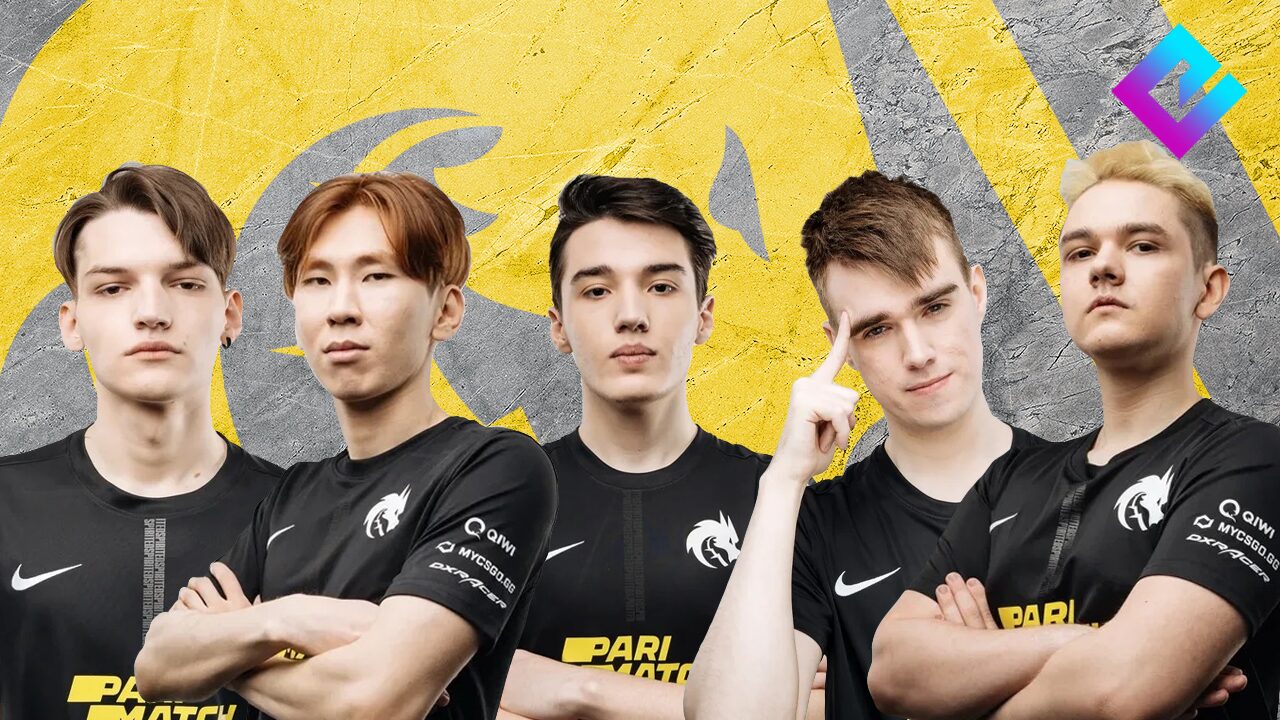
In terms of esports pro circuit structural stability, the new roster is designed to solve specific “choke points” that Liquid faced in previous seasons against rivals like Team Spirit.
- Drafting Flexibility:
- Ace and Boxi share several heroes (e.g., Earth Spirit, Brewmaster), allowing for flex-picks that obfuscate the draft.
- This creates a competitive edge during the second phase of the draft, where Liquid can now hide their lanes longer.
- The Team Liquid vs Team Spirit Matchup Forecast:
- Spirit has historically relied on out-scaling Liquid in the ultra-late game.
- The new Liquid roster aims to close games 10-15 minutes earlier through ace and tofu roster impact analysis on early tower pressure.
- Map Control:
- By having a highly mobile support duo, Liquid can secure the “Tormentor” and “Roshan” pits with higher frequency, a key component of the team liquid competitive strategy breakdown.
Competitive Review: A New Era of Professionalism – Pro scene analysis media

When conducting a competitive review, analysts often look for the “tipping point” where a team moves from a top-four finisher to a trophy lifter. Liquid’s roster analysis shows an organization that is tired of silver medals. By removing the emotional burden of veteran transitions and bringing in proven winners, they have prioritized a competitive esports roster reconstruction guide that favors mental fortitude and “lan-proven” ice in the veins.
The scene analysis indicates that the European region remains the most difficult to navigate, but with this lineup, Liquid has arguably the highest ceiling of any roster currently active in the pro circuit. They are no longer just participating; they are shaping the dota 2 pro scene analysis media conversation around what a modern powerhouse should look like.
Conclusion: The Road to the Aegis – Pro scene analysis media
As we look ahead to the upcoming Majors, Team Liquid appears to have found the missing pieces of their championship puzzle. This pro scene analysis media highlights a team that has successfully balanced the need for fresh blood with the requirement for veteran leadership. By focusing on esports strategy and scene analysis, Liquid has positioned themselves as the team to beat in 2026. Whether this new chemistry translates into a third Aegis remains to be seen, but the structural foundations are undeniably solid. With the global stage set, this era of Liquid Dota promises to be one of the most analytically fascinating chapters in the history of the pro scene analysis media.


