

The gaming landscape of 2026 has transformed into a high-stakes arena where legacy franchises are being forced to innovate alongside ambitious new IPs. This year’s release calendar isn’t just a list of dates; it’s a direct competition between different schools of design—sandbox freedom versus linear narrative precision. When identifying the Top5 Epic Games 2026, the industry consensus highlights a pivot toward deeper player agency and atmospheric realism. Whether it’s the return of a genre-defining giant or a experimental shift into sci-fi horror, these titles are vying for the limited time and attention of a more discerning global audience.
| Game Category | Lead Contender | Key Opponent | The Deciding Factor |
|---|---|---|---|
| Open-World Action | Grand Theft Auto VI | Marvel’s Wolverine | Scale vs. Brutality |
| Survival Horror | Resident Evil Requiem | Directive 8020 | Action vs. Stealth |
| Gothic RPG | The Duskbloods | FromSoftware Pedigree | Social PvPvE vs. Solo Lore |
Grand Theft Auto VI vs. The Duskbloods: Contrasting Philosophies
Perhaps the most striking comparison in the Top5 Epic Games 2026 is the clash between the social simulation of GTA VI and the punishing combat of The Duskbloods. Rockstar Games is banking on a “wide” world—a massive reimagining of Vice City where the player can lose hours in side activities and emergent AI interactions. On the other hand, FromSoftware’s The Duskbloods offers a “vertical” world. Instead of driving across a state, players are descending into a vampire-infested Gothic labyrinth where every step requires mechanical mastery and tactical cooperation.
- World Interaction: GTA VI emphasizes social satire and environmental reactivity (e.g., dynamic traffic and evolving NPC rumors).
- Combat Focus: The Duskbloods centers on the “Bloodsworn” system, forcing players to balance aggression and defense in a way that feels more intimate and deadly than any urban shootout.
- Platform Identity: While GTA VI pushes the limits of high-end home consoles, The Duskbloods is positioned as a defining reason to own a Nintendo Switch 2.
Horror Evolution: Resident Evil Requiem vs. Directive 8020
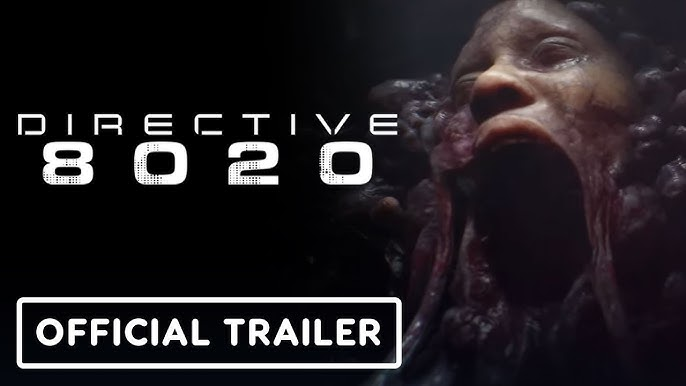
The horror segment of 2026 showcases a fascinating “Versus” scenario between Capcom’s established formula and Supermassive’s cinematic evolution. Resident Evil Requiem is a maximalist experience, offering fans a choice between first- and third-person perspectives to navigate the ruins of Raccoon City. Contrast this with Directive 8020, which strips away the comfort of the “super-soldier” protagonist. Supermassive’s sci-fi thriller focuses on the vulnerability of space explorers, using new survival tools and wrist-mounted tech to keep the player feeling constantly underpowered.
- Pacing: Resident Evil maintains a rhythm of combat-heavy exploration, whereas Directive 8020 relies on slow-burn dread and high-stakes decision-making.
- Character Stakes: In Resident Evil, the tension comes from resource management; in Directive 8020, the fear is rooted in “permadeath” and the permanent loss of crew members through branching narrative choices.
The Brutality of Marvel’s Wolverine vs. Industry Standards
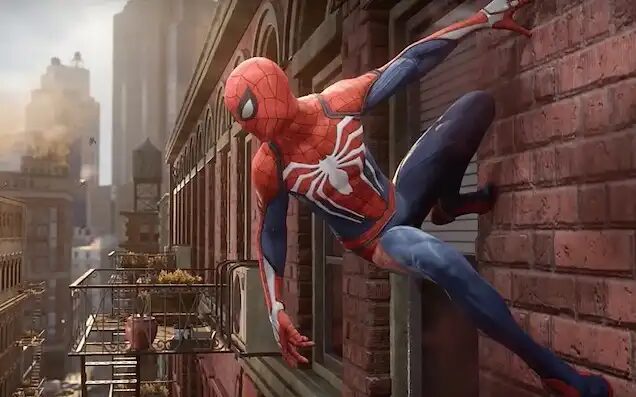
When we compare Marvel’s Wolverine to the broader action-adventure market, it becomes clear that Insomniac is taking a gamble on tone. Most superhero titles aim for broad accessibility, but Wolverine is a direct challenge to that trend. It trades the “all-ages” charm of Spider-Man for a visceral, gore-heavy combat system that emphasizes Logan’s regenerative powers and animalistic rage. This puts it in a unique position where it competes more with mature titles like God of War than it does with traditional comic book adaptations.
- Mechanical Depth: The “Claw-Combat” system is designed to feel heavy and permanent, contrasting with the floaty, acrobatic combat found in contemporary open-world hero games.
- Environment Interaction: Unlike the bright, open vistas of other 2026 titles, Wolverine appears to favor dense, destructible environments that reflect the collateral damage of a berserker’s fight.
Technical Benchmarking for the Top5 Epic Games 2026

From a purely technical standpoint, the competition for the most “epic” title is a race toward immersion. Grand Theft Auto VI is utilizing a proprietary engine to simulate life on a scale previously thought impossible, focusing on AI density and social media integration. Meanwhile, Directive 8020 is leveraging the latest in cinematic rendering to make its space-bound horror look indistinguishable from a high-budget film. This technological split shows that the industry is no longer aiming for a single standard of “good graphics,” but is instead tailoring visuals to serve specific emotional goals.
- Fidelity vs. Performance: Players are seeing a divide between the 4K cinematic focus of Wolverine and the high-performance, multiplayer-optimized architecture of The Duskbloods.
- UI Innovation: We see a move toward “diegetic” interfaces—like the wrist devices in Directive 8020—which remove traditional menus to keep the player’s eyes on the world.
A Final Verdict on the 2026 Title Fight
As we weigh these giants against each other, it is evident that 2026 is a year of diverse excellence rather than a single dominant winner. Whether you prefer the sprawling crime-ridden streets of Vice City or the dark, blood-soaked corridors of a FromSoftware masterpiece, the Top5 Epic Games 2026 provide a definitive answer for every type of enthusiast. This year marks a moment where technical ambition and creative daring have finally converged, ensuring that no matter which title you choose to dive into, the experience will be a landmark in gaming history.

