

Riot Games has consistently raised the bar for international esports, but the 2026 tournament roadmap feels like a statement of intent. From early announcements spanning 2026 and 2027 to the debut of the Twilight’s End cinematic, Riot has clearly invested in shaping a more immersive and globally connected competitive ecosystem. For Australian fans, this is particularly meaningful. While Oceania won’t host any international events in 2026, the strategic selection of European and Asian cities affects viewing schedules, travel feasibility, and local community engagement. Furthermore, with increased pre-announcement clarity, Aussie fans can now plan watch parties, group trips, and training sessions more efficiently than ever before. In other words, 2026 isn’t just another competitive year — it’s a pivotal moment for global fans and the Australian esports community alike. (Riot Games 2026 tournaments)
European MSI and Its Implications – Riot Games 2026 Tournaments
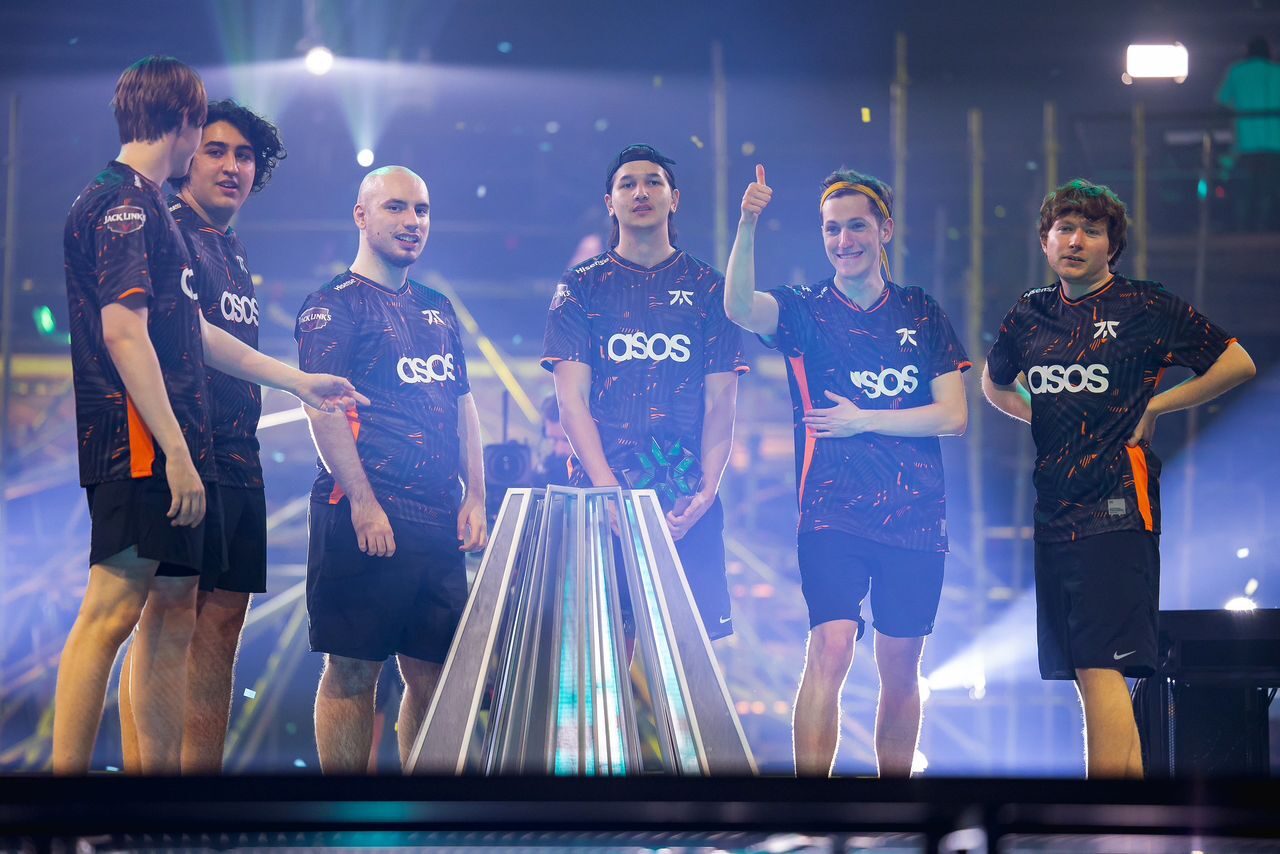
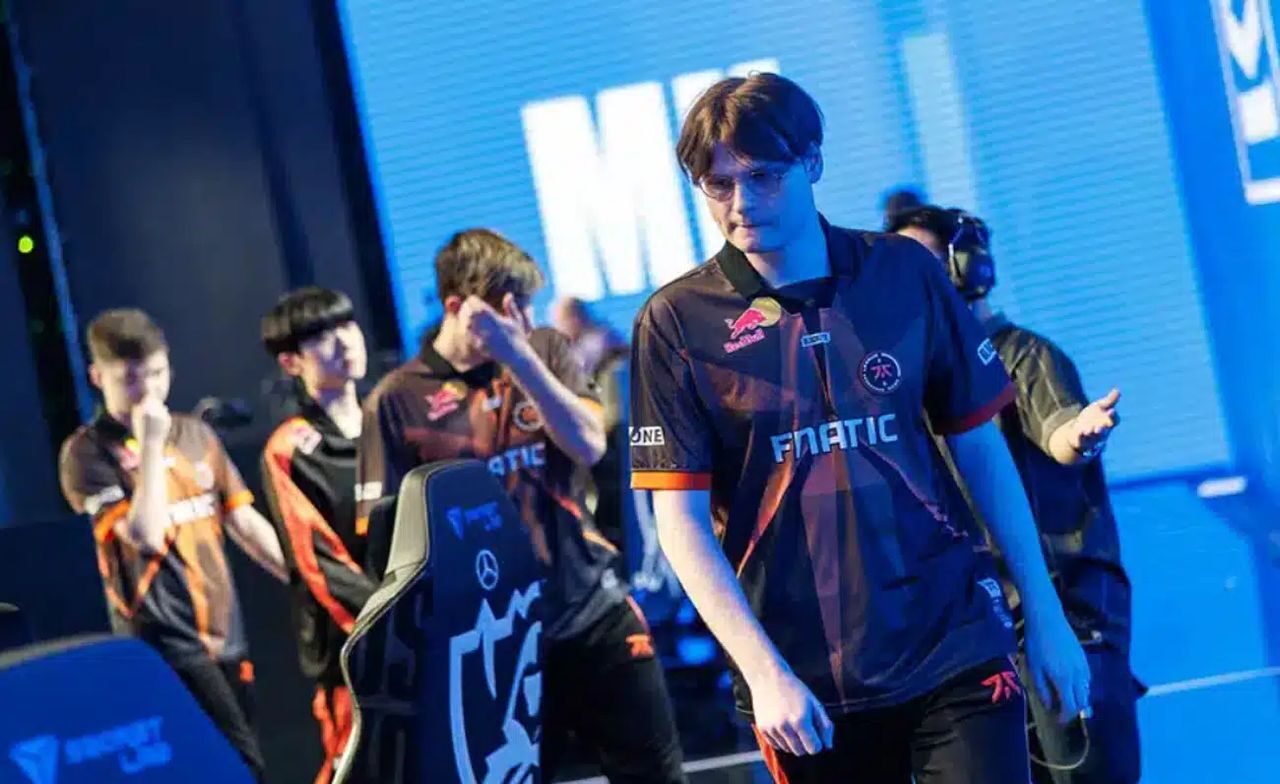
MSI 2026 is expected to take place in a major European city, a choice that reflects Riot’s goal of balancing time zones and ensuring maximum global viewership. For Australian fans, this adjustment means broadcasts will fall into late-night, but manageable, hours — much more accessible than early-morning streams from North America. Moreover, the European venue likely offers high production quality, creating a more cinematic experience that Aussie viewers can enjoy from home or in dedicated watch party venues in Sydney, Melbourne, and Brisbane. This combination of accessibility and spectacle ensures that MSI 2026 will resonate strongly with Oceania’s fanbase.
Worlds 2026 in Asia: A Pilgrimage for Australian Fans
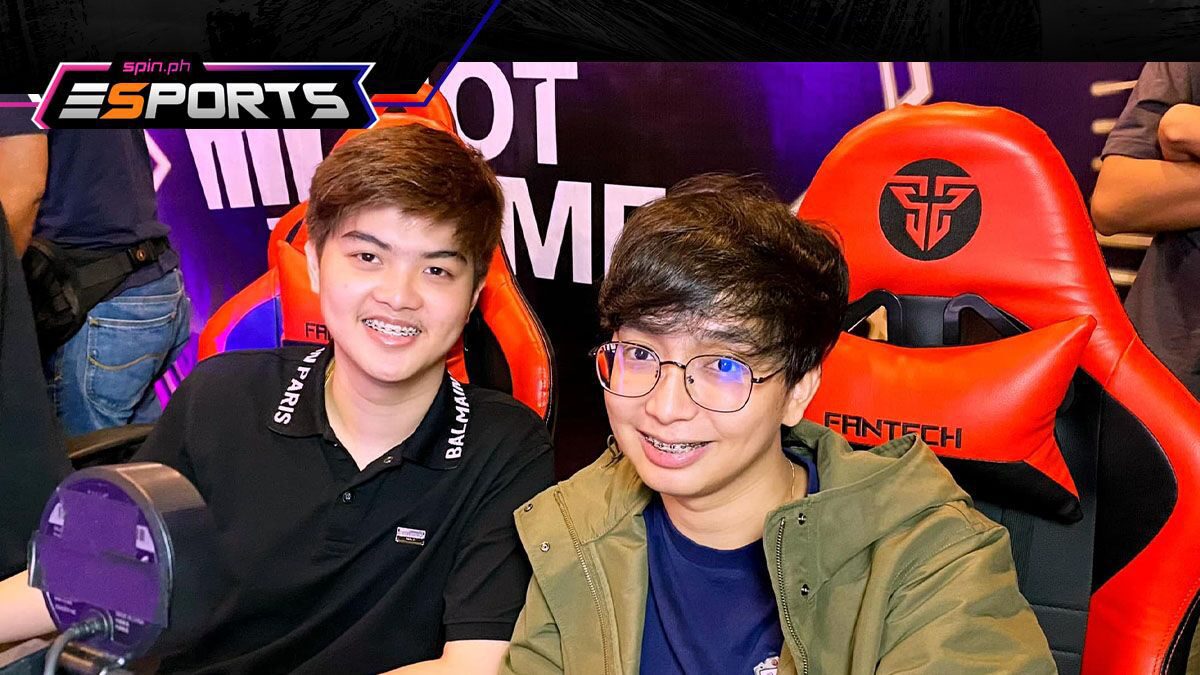
While Asia hosting Worlds has become a recurring trend, 2026’s choice of South Korea brings unique opportunities for Australian esports enthusiasts. Historically, Korean Worlds deliver some of the most competitive, meta-defining gameplay, and Australians have consistently travelled long distances to attend. The 2026 roadmap allows fans and amateur content creators to plan months in advance, booking flights and accommodations, organising community viewing events, and even arranging joint bootcamps for aspiring LCO players. In other words, Worlds in Korea becomes more than just a tournament — it’s a cultural event that strengthens Australia’s connection to the global League ecosystem.
Twilight’s End Cinematic and Storytelling – Riot Games 2026 Tournaments
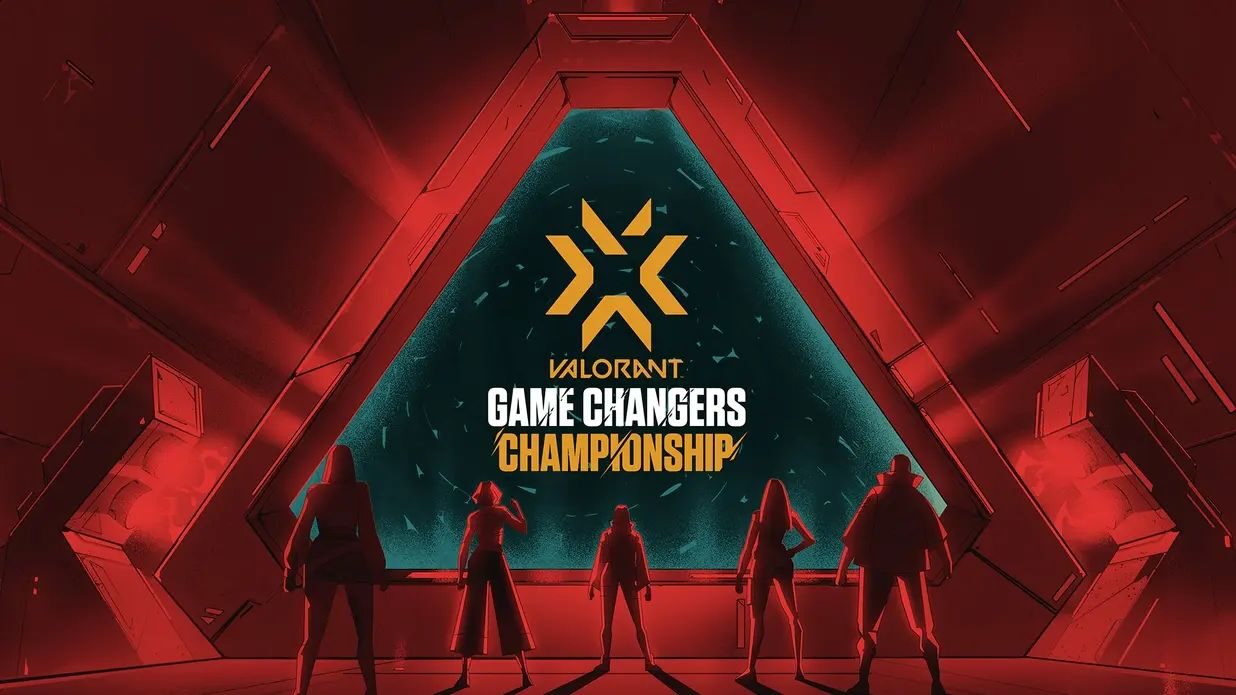
Riot has also emphasised narrative in its 2026 presentation, debuting the Twilight’s End cinematic alongside the event schedule. This cinematic integrates lore with tournament hype, creating a narrative that connects MSI, Worlds, and All-Stars as part of a cohesive story. Australian audiences, already invested in Riot’s universe, responded enthusiastically to the cinematic’s dark tones, epic sequences, and dramatic music. Moreover, the cinematic adds a layer of engagement beyond competitive gameplay, encouraging fans to watch, discuss, and analyse every frame in forums, Twitch chats, and social media communities across Oceania.
The Local Esports Ecosystem Reacts – Riot Games 2026 Tournaments
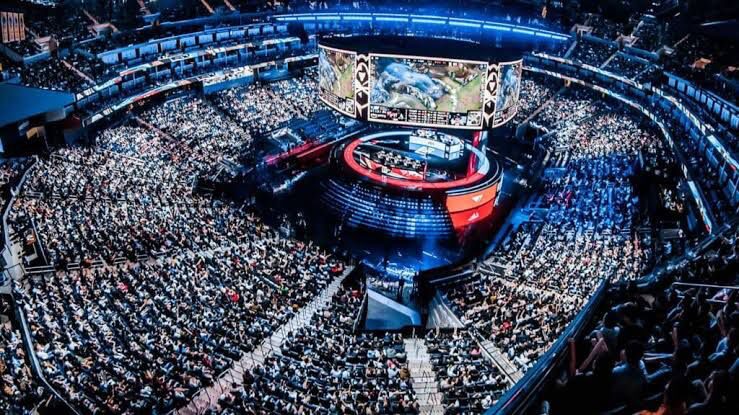
Despite no local event, Australia’s esports ecosystem is already responding to Riot’s announcements. Bar watch parties, university club screenings, and esports cafes in Melbourne, Sydney, and Perth are preparing for record attendance, demonstrating that the 2026 roadmap indirectly stimulates local engagement. LCO teams also benefit; by understanding the sequence of global tournaments, they can refine scrims, study international meta trends, and plan roster rotations effectively. In other words, Riot’s global schedule directly influences Australia’s domestic competitive environment, reinforcing the interconnected nature of modern esports.
Travel, Accessibility, and Community Culture
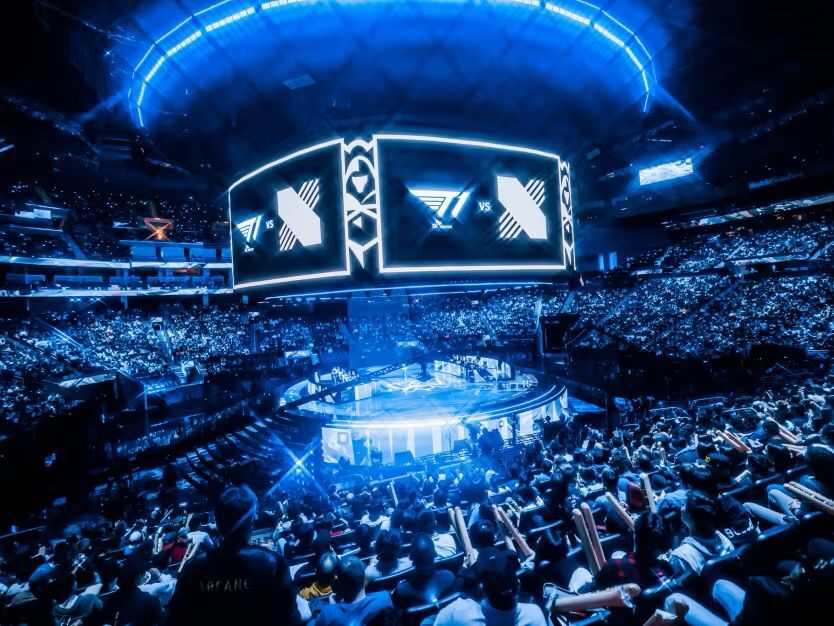
For Australian fans, attending international tournaments is almost a rite of passage. The 2026 roadmap, with Korea and Europe as primary hubs, allows for slightly easier travel logistics compared to previous North American-centric years. Travel agencies specialising in esports tourism are already offering packages tailored to Worlds, while local fan groups plan coordinated trips, promoting community bonding. The combination of accessible time zones, affordable travel, and immersive event experiences ensures that Australia remains an active, engaged participant in Riot’s global esports culture.
2026 Riot Games Tournament Highlights Relevant to Australia
| Event | Date | Location | Aussie Impact |
|---|---|---|---|
| MSI 2026 | May 2026 | European hub | Accessible viewing hours, watch parties |
| Worlds 2026 Play-Ins | Oct 2026 | Asia | Bootcamp opportunities for LCO teams |
| Worlds 2026 Main Event | Oct–Nov 2026 | Korea | Travel-friendly, competitive inspiration |
| All-Stars 2026 | Late 2026 | TBA | Community engagement, lore tie-ins |
| LCO Finals | Domestic | Australia | Meta influenced by global tournaments |
Riot Games’ 2026 esports roadmap sets a new benchmark for global competitive planning. With Europe hosting MSI, Korea hosting Worlds, and cinematic storytelling enhancing fan experience, the year promises to be memorable for both players and audiences. For Australia, the impact is multifaceted: improved viewing schedules, easier travel options, and strengthened community engagement all point toward a more connected, enthusiastic, and informed fanbase. In short, 2026 isn’t just a season — it’s an invitation for Australians to participate more deeply in the global League of Legends ecosystem.
