

Premier League Match Analysis – The technical narrative surrounding Manchester City in early 2026 has been defined by a sudden lack of verticality. After a “miserable” sequence of results, including a tactical stalemate against Brighton and a European upset by Bodø/Glimt, Pep Guardiola faced a critical crossroads. The 2-0 victory over Wolves was not merely a result of superior talent, but a deliberate recalibration of City’s structural build-up. By moving away from a possession-centric “horseshoe” passing pattern and embracing a high-tempo, direct transition game, City managed to break a four-game winless streak and re-establish their presence in the title hunt.
Directness Over Dominance: Pep’s Calculated Risk
The most striking element of the team sheet was the omission of Erling Haaland and Phil Foden. Tactically, Guardiola sought to eliminate the “predictability” that had crept into City’s final-third entries. Instead of looking for a traditional target man, the system utilized Omar Marmoush and Antoine Semenyo as split-strikers who could drift into half-spaces. This stretched the Wolves back five, creating passing lanes that didn’t exist in previous weeks. The focus shifted from “total control” to “high-impact transitions,” targeting the spaces left by Wolves’ wing-backs during their rare forays forward.
Defensive Structural Integrity: A Premier League Match Analysis
The introduction of Marc Guéhi transformed City’s defensive geometry. Previously, the backline had struggled with recovery pace during transitions, a weakness exploited by Manchester United and Chelsea. Guéhi’s debut provided an immediate fix, offering a high interception rate and the “defensive calmness” required to maintain a high line. His presence allowed Gianluigi Donnarumma to play as a more aggressive sweeper-keeper, knowing the central cover was secure. This structural shift resulted in a rare clean sheet, a vital metric for a team that had looked uncharacteristically fragile over the winter period.
| Tactical Metric | Manchester City (vs Wolves) | Season Average (Pre-Jan) |
|---|---|---|
| Direct Attacks | 14 | 8 |
| Final Third Entries | 52 | 61 |
| Interceptions (Guehi) | 6 | N/A |
| Shot Conversion % | 18% | 11% |
| Clean Sheet Kept | Yes | 33% |
Goal Synthesis: The Marmoush and Semenyo Mechanics
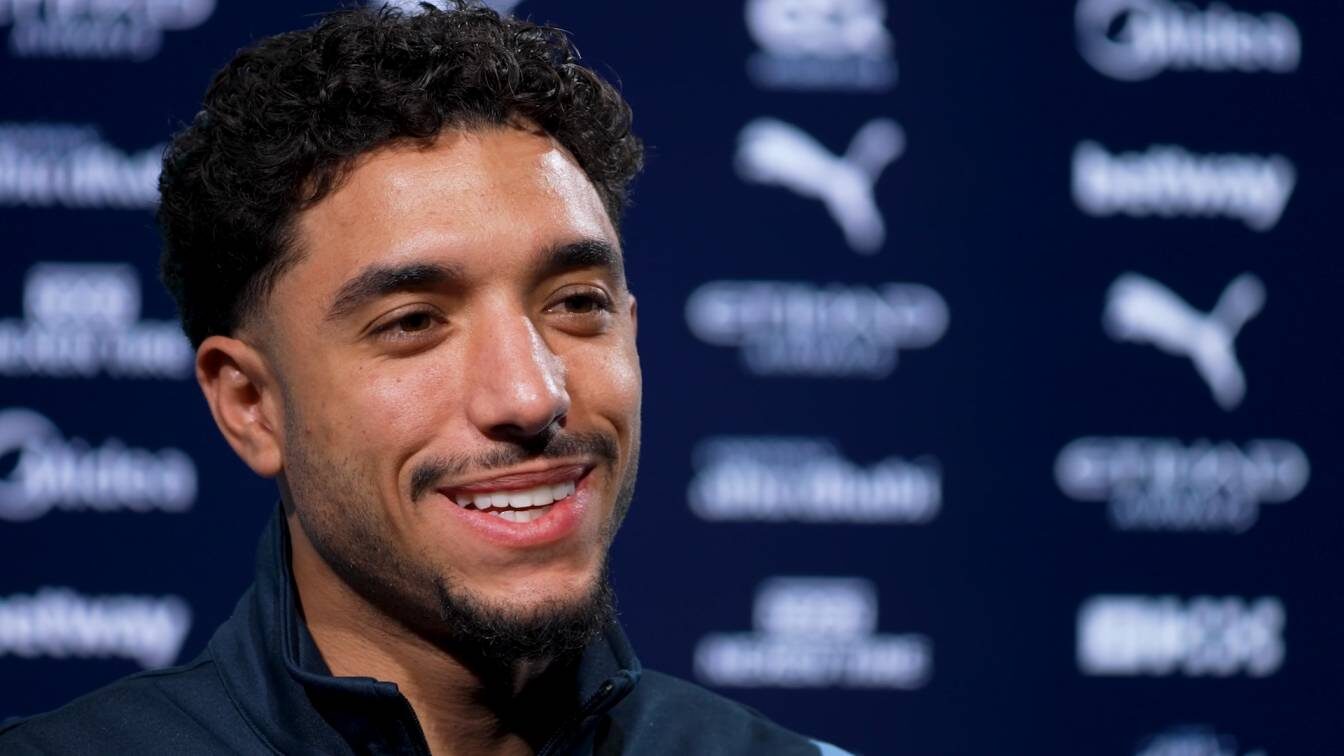
The opening goal in the 6th minute was a masterclass in modern positioning. Omar Marmoush exploited a lapse in Yerson Mosquera’s marking to maintain his incredible “home-only” scoring record. Statistically, Marmoush has become an Etihad specialist, with 100% of his league goals coming at home. Antoine Semenyo later doubled the lead, showcasing his “triple threat” status by scoring in his third different competition in as many games. Semenyo’s role is particularly fascinating for analysts; he provides a blend of Bournemouth-style industriousness and elite technical finishing, hitting the crossbar once and testing the keeper three times.
Officiating Logic and the Relegation Vacuum: A Premier League Match Analysis

The match provided a unique case study in officiating via Farai Hallam’s Premier League debut. The VAR intervention for a potential Mosquera handball tested the new “clear and obvious” threshold of 2026. Hallam’s refusal to award the penalty despite the monitor review suggests a league-wide shift toward empowering on-field referees. For Wolves, the data remains grim. Rob Edwards’ side is 14 points adrift of safety, and their failure to score in 12 league games stems from a lack of “progressive carries.” Aside from 18-year-old Mateus Mané, Wolves lacked the statistical output to threaten a revitalized City defense.
Implications for the Title Race and European Prospects
This victory narrows the gap at the top of the table to just four points, placing immense pressure on Arsenal ahead of their clash with Michael Carrick’s Manchester United. City fans are now in the rare position of analyzing their rivals’ strengths, hoping a United victory keeps the race open. More importantly, the tactical success of the Guehi-led defense serves as a blueprint for Wednesday’s must-win Champions League fixture against Galatasaray. City’s “rot” appears to be cauterized, but the true test of this new direct system will be its effectiveness against elite European low-blocks in the coming weeks.


