

In the high-performance world of Formula 1, data and precision are the foundations of success. Since 2013, the Schumacher family has applied this same rigorous methodology to a different kind of race: the long-term management of the Michael Schumacher health condition. Following the traumatic brain injury sustained in the French Alps, the strategy shifted from public-facing dominance to a private, defensive “Fortress of Privacy” managed by Corinna Schumacher.
As we move into 2026, the data points emerging from trusted inner-circle sources suggest a significant pivot in the recovery timeline. While the family remains tight-lipped, global reports from outlets like The Daily Mail and The Sun indicate that the “clinical stagnation” phase may have transitioned into a more mobile stage of rehabilitation. This shift is not merely a stroke of luck but the result of a meticulously engineered medical environment designed to sustain a legend.
Tactical Shift: Transitioning from Bedbound to Mobile
The most significant tactical update in the 2026 reports is the transition of Michael’s physical state. For over a decade, the assumption was a bed-bound existence; however, new insights confirm that he is now capable of sitting upright. This mobility allows for “wheelchair sorties” through the grounds of his multi-million dollar estates, providing critical sensory stimulation that was previously impossible.
| Recovery Element | Narrative Detail |
|---|---|
| Living Environment | Transition between the Gland “Fortress” and the Majorca Sanctuary |
| Mobility Status | Capable of sitting; transitioned from permanent bed rest to wheelchair transport |
| Daily Routine | Supervised time in the estate gardens to stimulate sensory awareness |
| Cognitive State | Described as “present but different”; responding to familiar voices and environments |
This move to a seated position is a massive milestone in neuro-rehabilitation. By moving Michael through his property—specifically the £30 million Majorca villa purchased from Florentino Perez—the medical team is utilizing environmental therapy to combat the long-term effects of “locked-in” scenarios.
The Logistical Engine: Financing the $20,000-a-Week Ward
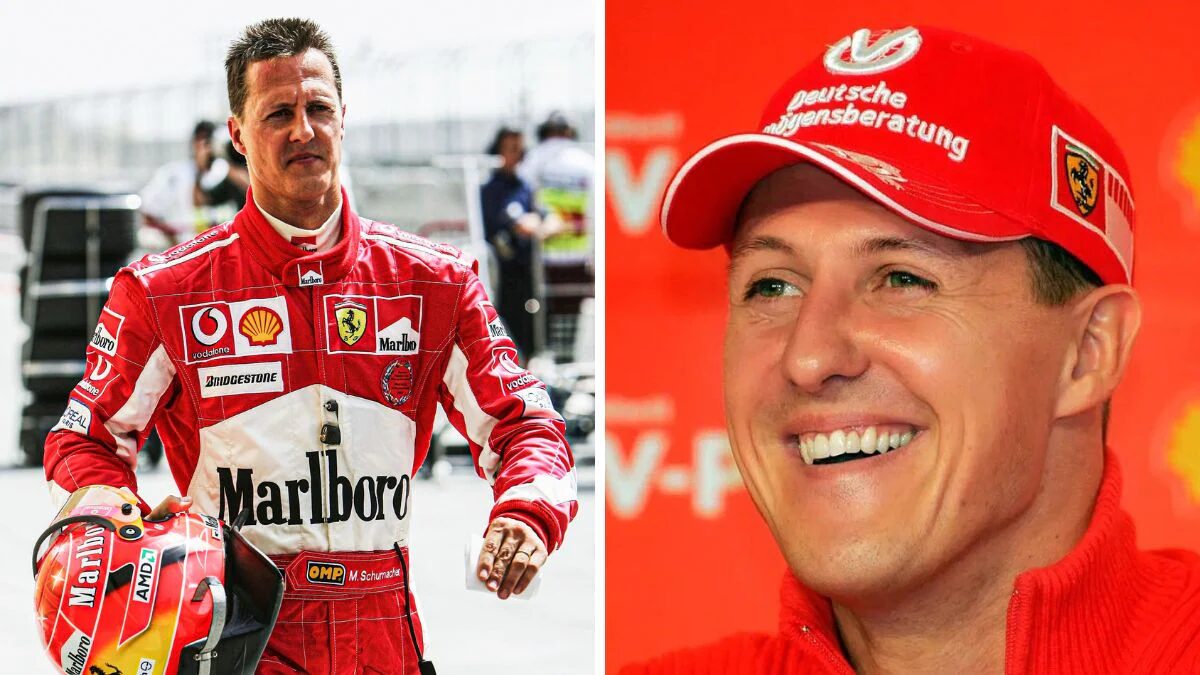
Maintaining the Michael Schumacher health condition at this elite level requires a financial and logistical engine comparable to a mid-tier F1 team’s budget. The family has reportedly established a 24/7 medical ward within their homes, staffed by a rotation of fifteen specialized professionals. This is not standard home care; it is a bespoke, private intensive care unit.
- The Finnish Connection: Reports highlight a personal Finnish physician who oversees a handpicked team of nurses and physiotherapists.
- Asset Management: To fund this “Medical Fortress,” Corinna has made strategic moves, including the auctioning of Michael’s watch collection and private aircraft, ensuring the “war chest” for his care remains solvent.
- Security Protocols: The 2025 conviction of former employees for attempted blackmail serves as a reminder of why the security budget is as high as the medical one.
Defensive Strategy: Why the Inner Circle Remains Unbroken
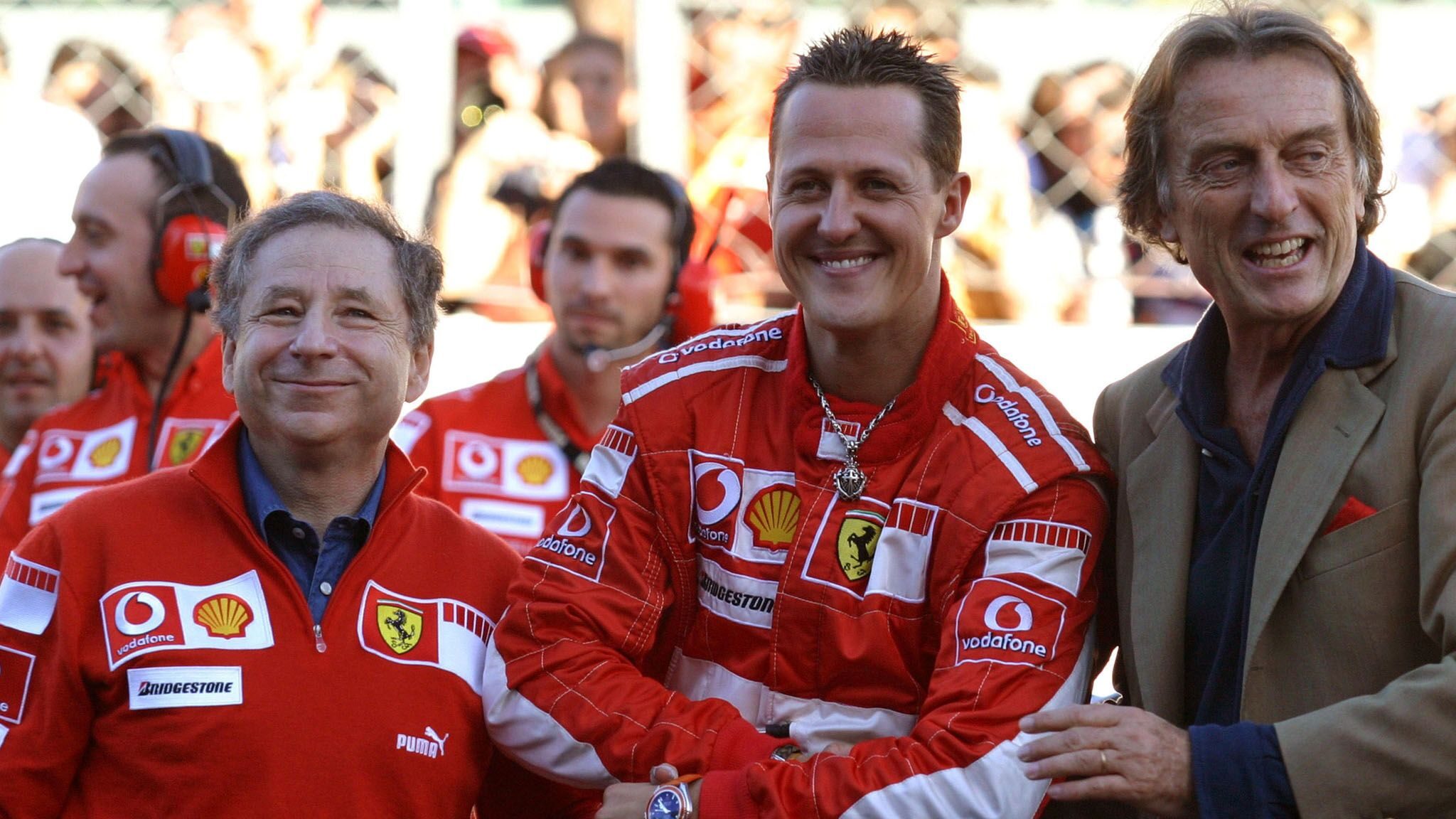
The Schumacher “defensive line” is famously difficult to penetrate. The strategy is simple: total information blackout to preserve Michael’s dignity. Access is restricted to a “White List” of trusted individuals who have earned their place through decades of loyalty. This tactical isolation prevents the “commodification” of Michael’s condition, ensuring he is treated as a human being rather than a headline.
Key members of this circle, such as Jean Todt and Ross Brawn, serve as the only reliable “telemetry” for fans. Todt has famously mentioned watching Grands Prix with Michael, a detail that confirms a level of cognitive awareness and visual engagement. In contrast, friends outside this immediate ring, like Richard Hopkins, provide the sober reality check: while Michael is “fighting,” the man the public remembers from the podium is effectively retired from public view forever.
Cognitive Telemetry: Understanding the “Best Forever” Legacy – Michael Schumacher health condition

The family’s method of communication has evolved into a high-level “brand” of silent resilience. Instead of medical bulletins, they use emotional milestones to signal Michael’s status. Gina-Maria’s 2026 birthday post, calling him “the best forever,” is a tactical masterstroke in public relations. It satisfies the fans’ need for connection while revealing zero clinical data about the Michael Schumacher health condition.
This approach allows the legacy of the “fighter” to remain intact. By focusing on the bond between father and child—and the continued racing career of Mick Schumacher—the family ensures that Michael is remembered for his speed and spirit rather than his vulnerability. The narrative is no longer about “the accident,” but about the endurance of the Schumacher name in the face of insurmountable odds.
Conclusion: The Longest Lap in Motorsport History – Michael Schumacher health condition
In summary, the 2026 updates provide a clearer tactical picture of Michael’s life than we have seen in over a decade. The transition from being bedridden to sitting upright is a hard-won victory for his medical team and his family’s unwavering devotion. It signifies that while the race is slow, there is still forward momentum within the “fortress.”
Ultimately, the Michael Schumacher health condition is a testament to the fact that some victories aren’t measured in trophies, but in the preservation of life and dignity. The Schumacher family continues to run the most disciplined race of their lives, proving that even after the checkered flag drops, the fight for a legend’s peace never truly ends.


