

Victorian schools rarely face violence on this scale, which is why the stabbing at Keysborough Secondary College felt so jarring. Principal Aaron Sykes was attacked by a man known to him, sending the campus into an instant Code Black lockdown. Students were kept safe, teachers executed emergency plans with precision, and police neutralised the threat within minutes. But after the dust settled, a larger question surfaced across ABC, 9News, and The Age: are all Victorian schools prepared to respond this effectively when real danger hits? This incident wasn’t just about one confrontation—it was a pressure test for the state’s entire emergency-readiness system (Keysborough educator attack).
A Fast, Targeted Attack That Tested Every Protocol -Keysborough educator attack
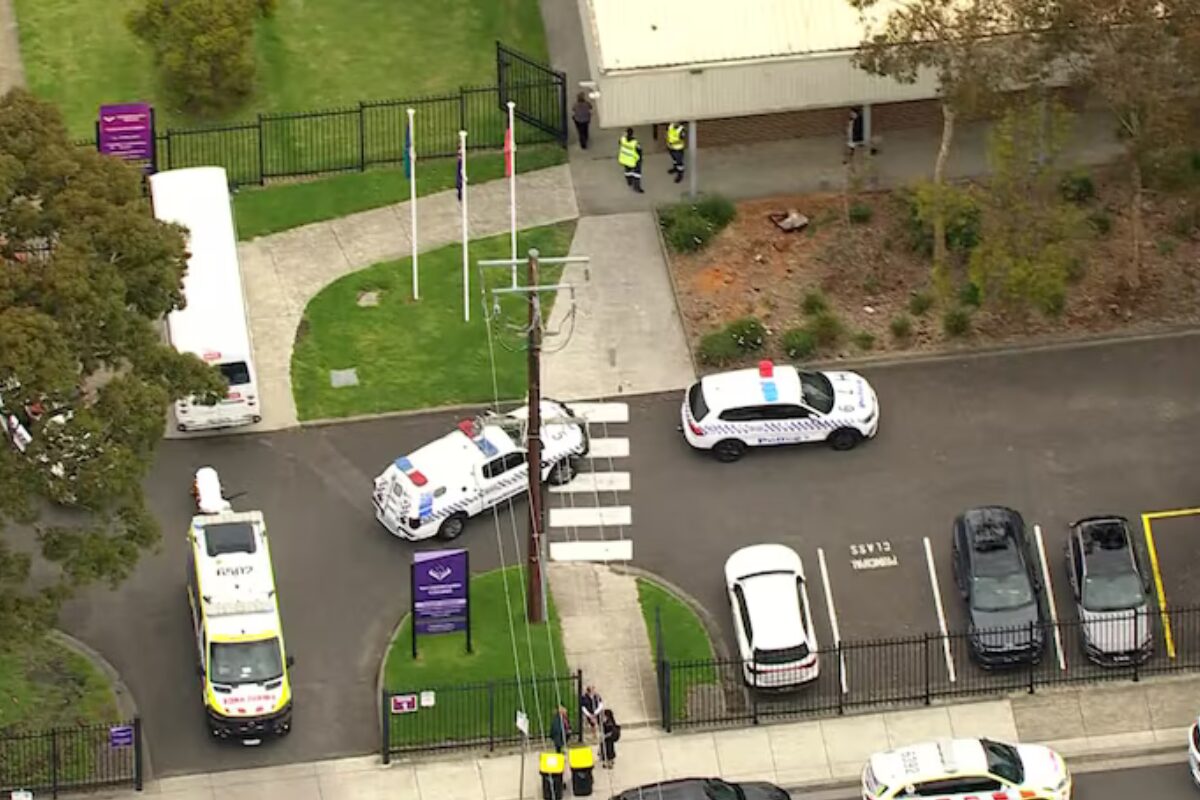
The stabbing occurred around 3pm in a staff-access area of the campus. Principal Sykes remained conscious as paramedics treated him, and police arrested the attacker—an adult known to him—on the spot. With no students involved, the incident underscored a key point: threats don’t always come from the people schools are trained to monitor. Sometimes, danger arrives through unexpected personal disputes, catching even experienced educators off guard.
The Code Black Lockdown Showcased Victoria’s Preparedness -Keysborough educator attack
Teachers later said the transition into lockdown was immediate and controlled. Students were moved away from windows, told to remain silent, and kept behind secured doors. Many described it as a moment where fear mixed with familiarity because they had rehearsed it so many times before. The drills worked so smoothly that commentators across social media praised the staff for their discipline under pressure. It was, in many ways, a real-world validation of the training Victorian schools have invested in for years.
Emergency Preparedness Goes Beyond Student Safety : Keysborough educator attack
While student protection is always the focus, the Keysborough incident highlighted another reality: staff are on the front lines. Principals, year-level coordinators, counsellors, and reception staff often interact with adults experiencing stress, anger, or personal grievances. Yet most emergency systems are geared toward student behaviour, not adult confrontations. This event may spark a shift toward more balanced preparedness—protecting everyone on campus, not just those in classrooms.
Communication Prevented Panic and Misinformation

Within minutes of the lockdown starting, Keysborough College sent messages to parents confirming students were safe. This early communication prevented the kind of rumour tornado that often forms around dramatic events, especially in Facebook groups and community chats. Later that night, the school informed families that the principal was “recovering well and in good spirits,” which helped settle anxiety across the suburb.
A Broader Safety Conversation Begins Across Victoria
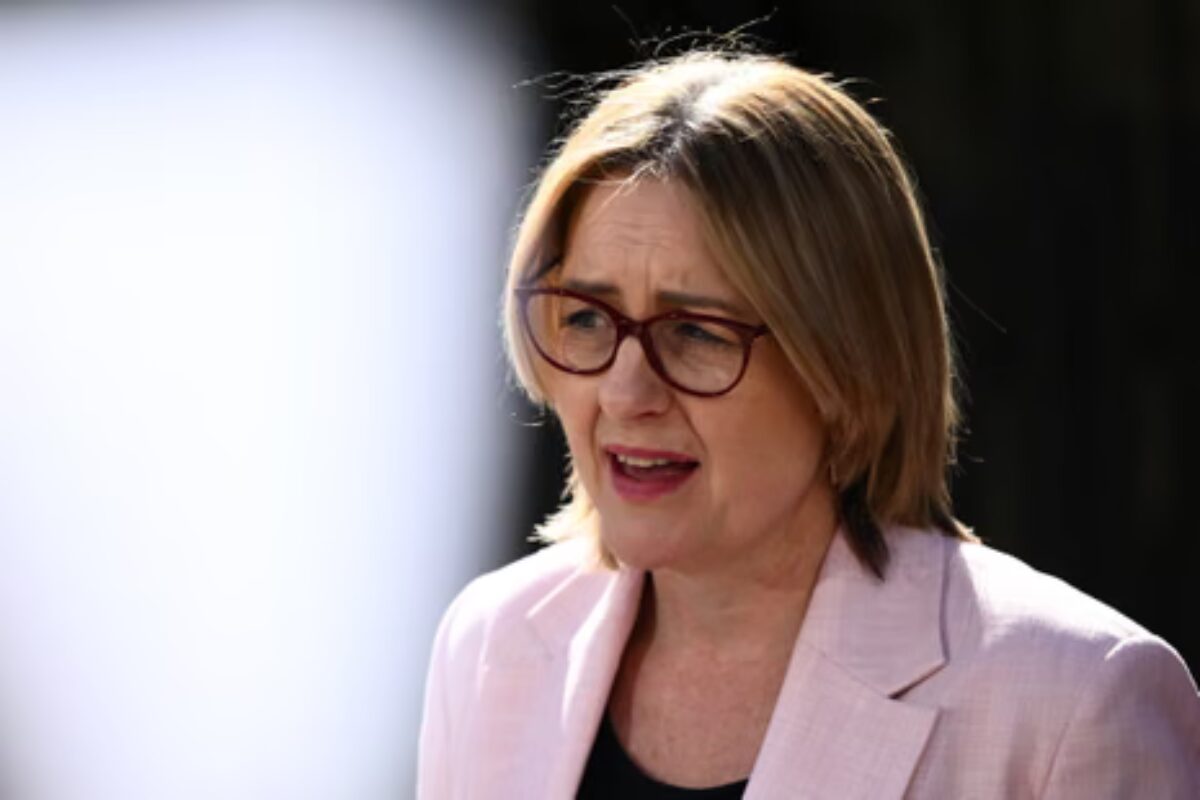
The Keysborough stabbing didn’t happen in a vacuum. It follows other recent school-related incidents that have raised concerns statewide. Policymakers are now discussing stronger visitor entry controls, enhanced staff duress systems, more frequent lockdown practices, and clearer threat-assessment protocols. This incident might become the pivot point that pushes Victoria into a new era of school safety.
Table: What the Keysborough Stabbing Revealed About School Preparedness
| Area Tested | What Happened | What It Means |
|---|---|---|
| Lockdown response | Code Black executed immediately | Drills work in real emergencies |
| Student safety | Zero student involvement | Protocols protected children |
| Staff exposure | Principal stabbed by known adult | Staff need stronger protections |
| Communication | Parents notified early | Rumours controlled |
| Policy direction | Statewide review beginning | Major reforms possible |
The attack at Keysborough Secondary College was frightening, but it also demonstrated how effective preparation can be in the face of chaos. Students were safe, staff executed their roles with precision, and police acted fast. Yet the incident did more than test drills—it opened a much-needed conversation about how Victorian schools protect their staff, manage adult access, and prepare for real-world threats that don’t fit the typical safety narrative. Keysborough passed the test, but the state now faces the challenge of ensuring every school can do the same.


