
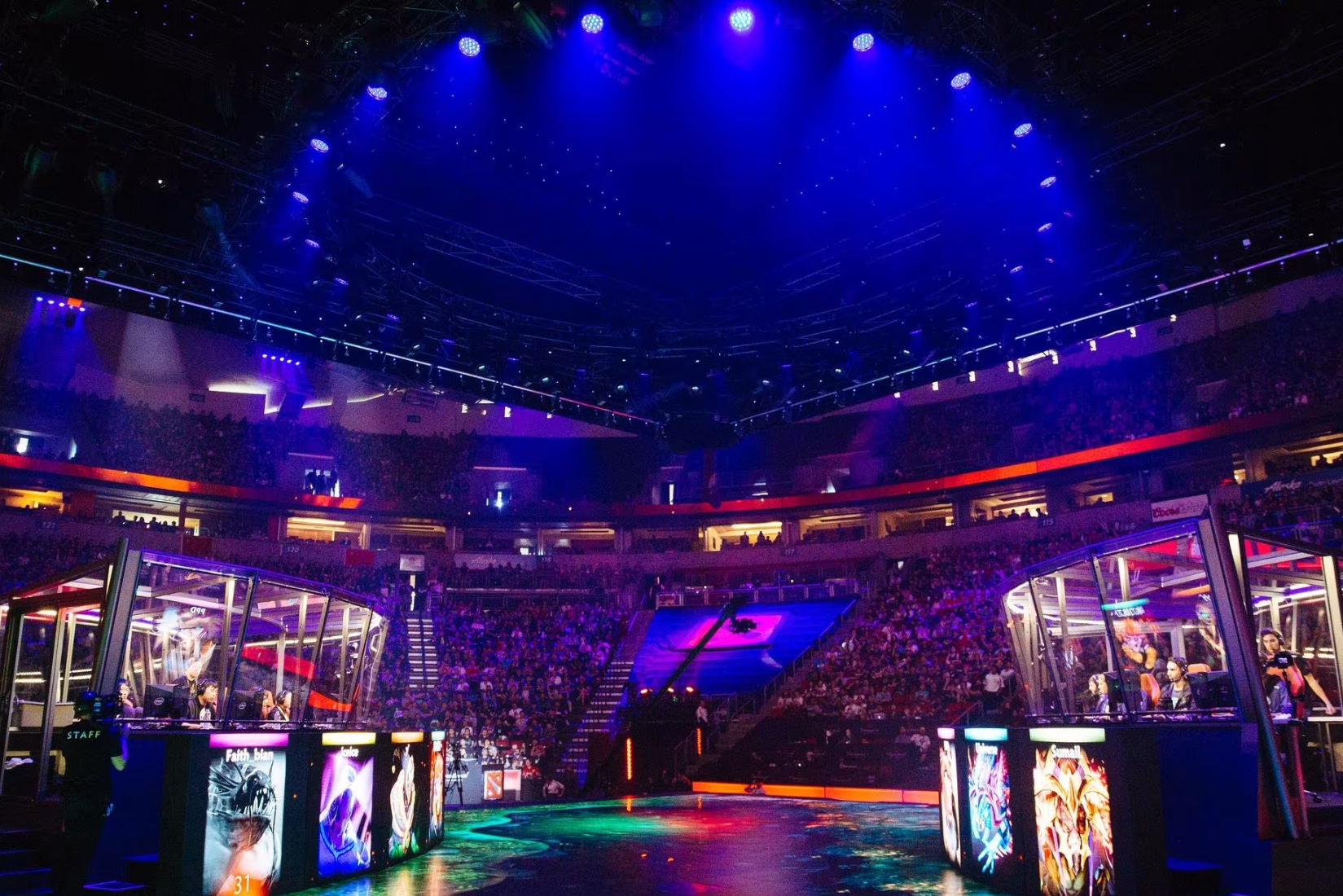
The Dota 2 International qualifiers are one of the most crucial steps in shaping the biggest esports event of the year. Not every team secures a direct invite, and that means dozens of squads fight through open and regional brackets for a handful of slots. The system ensures competitive balance and provides chances for rising rosters to prove themselves against established names.
For 2025, the qualifiers served as a filter for global competition. Open qualifiers began in late May, followed by closed regional competitions across June, making it a three-week stretch of high-pressure Dota. Teams that survived emerged as contenders for the Aegis, while others were eliminated before Hamburg even came into view.
SummaryQuick Look
Who Earned Direct Invites and Which Team Replaced Gaimin Gladiators?

Image Credits: Team Liquid
The first stage of TI is defined by the teams who don’t need to qualify. Through strong showings in the Dota Pro Circuit, several lineups earned automatic entry: Team Liquid, Team Spirit, BetBoom Team, PARIVISION, Tundra Esports, Team Tidebound, and Team Falcons. These organizations represented consistent strength across the season and were rewarded accordingly.
A late twist came when Gaimin Gladiators, originally invited, withdrew from the competition due to internal conflicts. Their withdrawal forced Valve to bring in a replacement, which opened the door for Yakutou Brothers, the Chinese qualifier runner-up. This unexpected development gave fans a unique storyline — a team that wasn’t even supposed to attend suddenly gained a chance to compete on Dota’s biggest stage.
How the Regional Qualifiers Were Structured

The qualifiers themselves were broken down by region, with each one having a set number of slots based on competitive strength. This distribution reflected both regional depth and historical performance at TI.
- Eastern Europe + South America → June 4–8
- China + North America → June 9–12
- Southeast Asia + Western Europe → June 13–17
The results secured TI 2025 slots for the following teams:
- Western Europe → Natus Vincere, Nigma Galaxy
- Eastern Europe → Aurora Gaming
- China → Xtreme Gaming
- Southeast Asia → Team Nemesis, BOOM Esports
- North America → Wildcard
- South America → HEROIC
While this guaranteed representation across the world, it also created debates within the community. Some fans argued that single-slot regions like North America or South America were underrepresented, while others pointed out that consistency in performance justified Western Europe and Southeast Asia receiving more slots.
Breaking Down the Tournament Format for TI 2025

The International has long been known for its complex formats, and 2025 continues that tradition with a three-part structure. Each stage tests different aspects of competitive play, from resilience to adaptability.
- Swiss Stage (September 4–7)
- 16 teams compete across five best-of-three rounds.
- Opponents are matched by current record.
- Teams with 4 wins advance, while those with 4 losses are eliminated.
- Special Elimination Round
- 10 teams remain after the Swiss phase.
- Higher seeds face lower seeds.
- Winners move to the Playoffs; losers are sent home.
- Playoffs (September 11–14)
- Double-elimination bracket begins with 8 teams.
- All matches are best-of-three.
- The Grand Final is best-of-five, played in front of a live Hamburg audience at the Barclays Arena.
This system reduces randomness while still maintaining high stakes. A slow start in the Swiss stage can quickly spiral into elimination, leaving no room for complacency.
Prize Pool and Fan Contribution System

Another defining element of The International is its prize pool. For TI 2025, Valve committed a base fund of USD $1.6 million, but the bulk of the money will once again come from community contributions.
Key points in this year’s funding system:
- 30% of Supporter Bundle sales go directly into the prize pool.
- 50% of sales are distributed to participating teams and event talent.
- The remaining share helps sustain Valve’s esports ecosystem.
This model has shifted how TI is funded, making supporter bundles not just a cosmetic purchase but also a way for fans to directly invest in the competitive scene.
How and Where to Watch The International 2025

Accessibility is a major focus for TI broadcasts, and fans will have multiple ways to follow the event. The official English streams will run on Twitch and YouTube, while localized broadcasts will cover Russian, Chinese, and Spanish audiences.
During the Swiss Stage, secondary channels will also operate, ensuring fans can catch simultaneous matches without missing crucial moments. For those attending in person, the Playoffs at Hamburg’s Barclays Arena promise a live atmosphere that has long been part of TI’s cultural identity.
Why the Qualifiers Still Matter in 2025 -Dota 2 International qualifiers
The Dota 2 International qualifiers are more than just a stepping stone — they shape the narrative of the entire event. Regions like Western Europe send multiple strong teams, while underdog squads like Wildcard from North America or HEROIC from South America carry the hopes of entire fan bases. The unexpected inclusion of Yakutou Brothers added further unpredictability, showing how volatile the road to TI can be.
Ultimately, qualifiers ensure TI remains both global and competitive. They highlight the depth of talent across the world and remind fans that surprises are always possible. By the time the main event starts, these stories will merge with the action in Hamburg, making the 2025 edition one of the most anticipated tournaments in recent memory.
Conclusion – Dota 2 International qualifiers
As the dust settles on the qualifiers, the stage is set for Hamburg. With a diverse lineup of direct invites, regional representatives, and one unexpected replacement, The International 2025 promises competitive Dota at its highest level. The Dota 2 International qualifiers once again proved their value — not only in determining who competes but also in shaping the drama, rivalries, and narratives that will carry into the main event.


