

Chelsea Arsenal EFL Cup : The rain hammered down on Stamford Bridge this Wednesday, acting as a relentless conductor for a symphony of chaos. For Liam Rosenior, this was the ultimate introduction to the Chelsea faithful—a high-stakes semi-final against a Mikel Arteta side that currently looks unstoppable. The air was thick with the scent of a classic derby, where tactical plans often melt away under the heat of pure emotion. While Arsenal arrived with the poise of champions-elect, the night would eventually belong to the unpredictable spirit of the cup, leaving fans breathless as the final whistle sparked more fire than the match itself.
The Art of the Set-Piece: Arsenal’s Lethal Opening
Arsenal didn’t just start the game; they orchestrated it. Known for their meticulous attention to detail, the Gunners exploited Chelsea’s defensive fragilities within seven minutes. Declan Rice, a maestro with the moving ball, whipped in a corner that found Ben White’s forehead with surgical precision. It was a goal that felt like a statement of intent, marking Arsenal’s 24th set-piece conversion of a historic season. Chelsea, appearing rattled and lacking the physical presence of Moises Caicedo, struggled to find their footing as the visitors dictated the tempo through a dominant midfield display.
Match Pulse: Key Statistics and Defining Moments
| Stat Category | Arsenal (The Dominant Side) | Chelsea (The Resilient Hosts) |
|---|---|---|
| Leading Scorer | Ben White (7′) | Alejandro Garnacho (57′, 83′) |
| Goal Source | Set-Piece & Clinical Finish | Individual Brilliance |
| Defensive Star | William Saliba (100% Duels) | Robert Sanchez (Mixed Display) |
| Tactical Highlight | Zubimendi’s Midfield Control | Rosenior’s Game-Changing Subs |
| Match Outcome | 3-2 Advantage | Deficit with Momentum |
Blunders and Breakthroughs: The Second-Half Shift
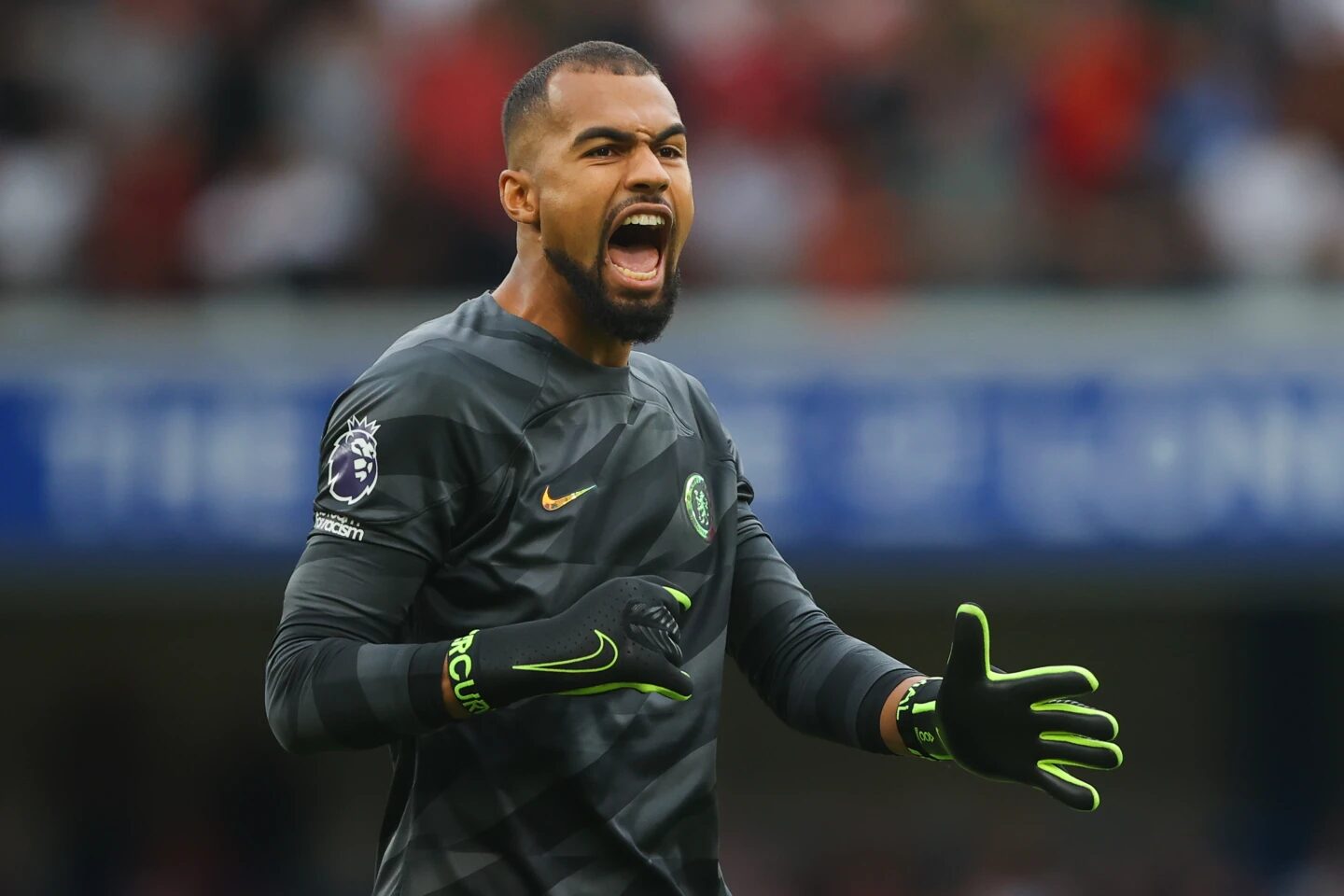
The narrative took a jarring turn shortly after the interval. Robert Sanchez, usually the bedrock of the Blues’ defense, suffered a “grotesque” handling error that invited Viktor Gyökeres to tap home his first open-play goal in 16 outings. It seemed the tie was dead when Martin Zubimendi added a third with a goal that blended grit with pure class. However, football is rarely a straight line. The Gunners’ three-goal cushion, which felt so secure for 70 minutes, began to fray at the edges as the home crowd sensed a shift in the wind, spurred on by a tactical gamble from the Chelsea dugout.
- Robert Sanchez mistake cost Chelsea against Arsenal: A spill that gifted Gyökeres a much-needed confidence boost.
- Who scored for Arsenal in the 3-2 win over Chelsea: White, Gyökeres, and Zubimendi clinical strikes.
- The Saliba Standard: A performance so dominant it reinforced his status as the world’s premier center-back.
The Garnacho Flare-Up: A Tale of Two Strikes
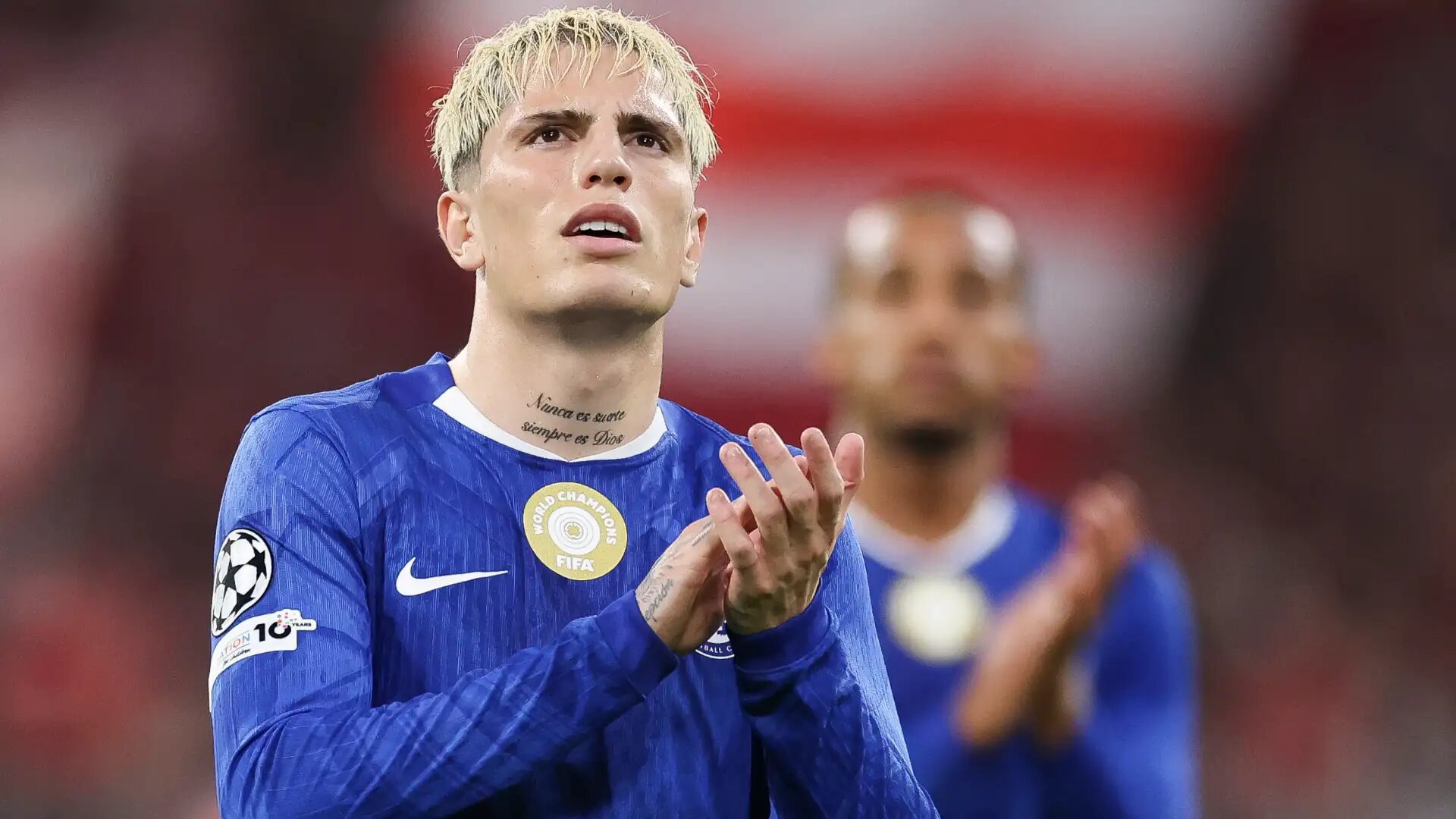
Just as the Bridge began to empty, Alejandro Garnacho rewrote the script. Coming off the bench, the young winger played with a directness that terrified an otherwise composed Arsenal backline. His first goal in the 57th minute was a spark; his second in the 83rd was an explosion. Suddenly, a game that Arsenal had in a stranglehold was transformed into a frantic, end-to-end battle. Despite the absence of key figures like Cole Palmer, Garnacho’s brace breathed life into a “backs-against-the-wall” performance that will likely define the early days of Rosenior’s tenure.
Stolen Penalties and the Tunnel “Handbags” – Chelsea Arsenal EFL Cup
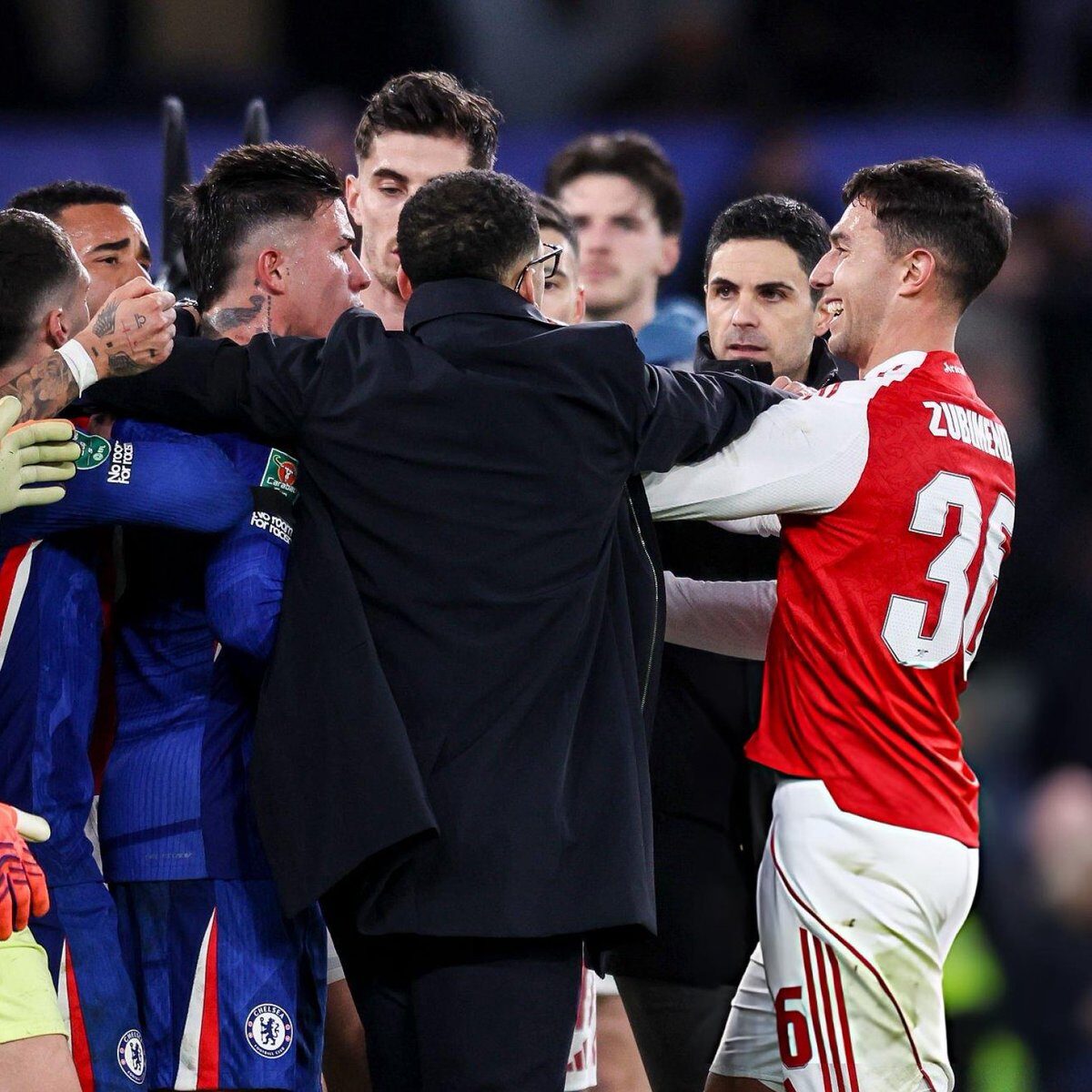
The climax arrived in the 94th minute, shrouded in controversy. Gabriel Jesus was felled in the box, and referee Simon Hooper’s finger pointed to the spot. It was a moment that would have effectively ended the tie. But the intervention of the assistant referee—flagging for a marginal offside in the buildup—rescinded the call and ignited a powder keg of emotion. The final whistle didn’t bring peace; it brought a “handbags” confrontation involving Enzo Fernandez and Zubimendi. The players clashed in a sea of pointing fingers and shoving, a physical manifestation of the high stakes involved in this Chelsea Arsenal EFL Cup journey.
- Why was there a fight after Arsenal Chelsea EFL Cup: Late-game adrenaline and the frustration of the VAR reversal.
- Mikel Arteta reaction: A mixture of satisfaction with the result and annoyance at the loss of control.
- Liam Rosenior first home game: A testament to his squad’s refusal to lie down against the league leaders.
The Final Verdict: A Semi-Final Left on a Knife-Edge – Chelsea Arsenal EFL Cup
As the teams head toward the second leg at the Emirates on February 3, the advantage rests with Arsenal, but the psychological momentum has shifted. The 3-2 scoreline ensures that Garnacho’s heroics weren’t in vain, leaving the tie delicately poised for a February showdown. Arsenal’s quest for a 2026 treble remains on track, but the cracks shown under pressure at the Bridge offer Chelsea a glimmer of hope. With a Wembley final against likely opponents Manchester City on the horizon, the return leg promises to be a masterclass in tension and tactical adjustments.


