

The 2025 AFLW Grand Final arrives with a sense of familiarity, yet the data shaping this year’s contest has shifted in important ways. North Melbourne return unbeaten across two seasons, extending a 28-game run of structured, high-efficiency football. Brisbane arrive through a season built around resilience, pressure and a habit of finding momentum in unpredictable stretches. As both sides prepare for their third consecutive meeting, AFLW Grand Final stats reveal a contest shaped by contrasting methods and the lessons learned from two very different premiership results.
Rivalry Trends & Season Movement — What the Numbers Reveal Now
The past two Grand Finals produced different tones. Brisbane’s pressure and territory control defined their 2023 win, while North Melbourne’s aerial strength and clearance efficiency shaped their 2024 response. Those themes flow directly into 2025, but updated season trends highlight new patterns in team identity and match rhythm.
Below is the latest season comparison, presented in your preferred markdown table:
2025 Season Snapshot
| Metric | North Melbourne | Brisbane Lions |
|---|---|---|
| Scoring Output | High efficiency | Strong from turnovers |
| Inside 50 Efficiency | Top tier | Improving across season |
| Tackles | Balanced pressure | Consistently high |
| Forward Half Time | League-leading | Momentum driven |
| Intercept Marks | Spread across backs | Dunne-led structure |
| Centre Clearances | Riddell-driven control | Competitive late-season |
These figures reflect how North Melbourne continue to build matches through structure and consistency, while Brisbane rely more heavily on momentum sequences, pressure spikes and the ability to shift contests suddenly.
Venue, Conditions & Players Most Likely to Shape AFLW Grand Final Stats
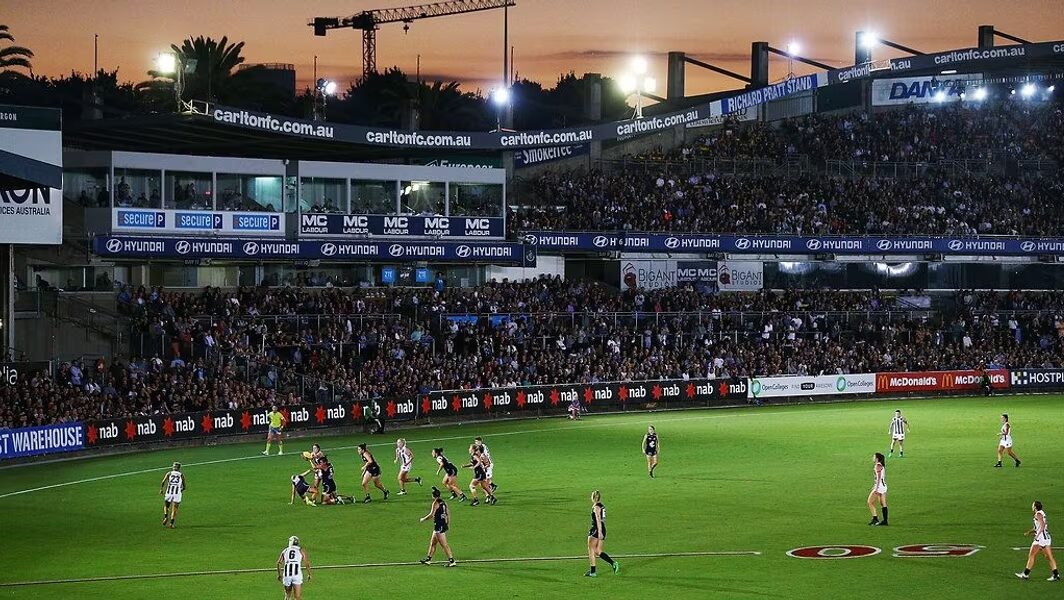
Ikon Park once again influences tactical preparation. Its wide wings and open channels reward systems with clean spread and efficient handball chains — traits North Melbourne frequently use to control tempo. Brisbane, however, often rise at this venue defensively. Dunne’s intercept marking, Dooley’s one-on-one work and Hodder’s pressure surges tend to grow in matches played here.
Possible showers on Grand Final day add a layer of uncertainty. Wet conditions typically compress forward-half time and raise the value of contested wins, which historically benefits Brisbane. For example, earlier this season the Lions lifted their second-half tackle count significantly in rain-affected games.
Player influence remains decisive.
Jasmine Garner continues to lead North’s contested chains, particularly in finals. Ash Riddell sets the rhythm with disposal efficiency and centre-clearance dominance, elements that anchor North Melbourne AFLW stats. Blaithin Bogue’s first Grand Final appearance adds agility and support pressure around stoppages.
For Brisbane, Courtney Hodder remains central to turnover scoring. Jennifer Dunne offers stability against North’s aerial approach, while Neasa Dooley’s rapid progression provides the Lions with fresh defensive versatility.
Tactical Flow & Predictive Measures — How This Grand Final May Be Decided

Both sides enter the 2025 decider with clearly defined systems sharpened over the past two seasons. North Melbourne rely on ball control, repeat entries and structured spacing behind the ball. Their game often becomes most effective when they create slow, organised movement through uncontested marking patterns.
Brisbane thrive when the match becomes unsettled. Their strengths appear in turnover chains, rapid forward bursts and pressure-affected mistakes from opponents. If Brisbane can disrupt North’s ability to link uncontested possessions, the tactical dynamic changes instantly.
The predictive model weighs several layers:
• Venue history at Ikon Park
• Scoring trends against top-four opponents
• Individual impact projections
• Recent head-to-head patterns
• Clearance balance across final-month matches
North Melbourne hold a statistical edge through territory control and clearance certainty. Brisbane narrow the gap significantly when pressure acts exceed their season average, particularly early in matches where momentum can rapidly shift.
The current projection forecasts North Melbourne by a margin between 7 and 17 points, influenced largely by forward-half retention and consistency in scoring chains.
Conclusion — The 2025 Decider and the Story Told by AFLW Grand Final Stats

As North Melbourne and Brisbane prepare to complete a rare Grand Final trilogy, the indicators behind AFLW Grand Final stats tell a story of evolving trends rather than predictable patterns. North continue to refine a structured, possession-based brand of football, while Brisbane arrive once more as the side capable of disrupting rhythm and redefining the contest through pressure. The outcome may again hinge on how quickly each side adapts to conditions, momentum swings and tactical shifts on the day.
Whatever the result, this third meeting marks a defining chapter in the AFLW’s next era — one shaped as much by data as by rivalry.


