

After a violent incident, the immediate focus is often on security and investigation. However, recovery is just as important. In the wake of the Bondi attack, governments moved quickly to provide practical and emotional support to those affected. This recovery package recognises that Sydney terrorism prevention does not end when police operations conclude, but continues through care, stability and community healing.
What the Bondi Recovery Package Covers -Sydney terrorism prevention

The announced funding includes direct financial assistance, expanded mental health services, and targeted community support. Victims and families can access immediate payments to cover urgent needs, while longer-term assistance is available to support recovery over time. This approach reflects lessons learned from previous incidents across Australia.
Financial Support for Victims and Families -Sydney terrorism prevention

The NSW Victims Support Scheme forms a core part of the package. Eligible individuals can receive counselling, financial assistance for immediate expenses, and compensation for economic loss. Funeral costs and recognition payments are also available, ensuring families are not left navigating hardship alone during an already traumatic period.
Help for Local Businesses and Workers (Sydney terrorism prevention)

Small businesses in Bondi and surrounding areas were directly impacted by closures and reduced foot traffic. Grants of up to $25,000 are available to eligible operators, along with payroll tax relief and advisory support. These measures aim to stabilise local employment while the area recovers.
Expanded Mental Health and Trauma Services (Sydney terrorism prevention)
NSW Health deployed additional clinicians to Bondi and nearby suburbs, providing face-to-face support for witnesses, residents and first responders. Telephone and online counselling services were also expanded. Authorities emphasise that seeking help is encouraged, whether symptoms appear immediately or weeks later.
Community and Cultural Support Measures
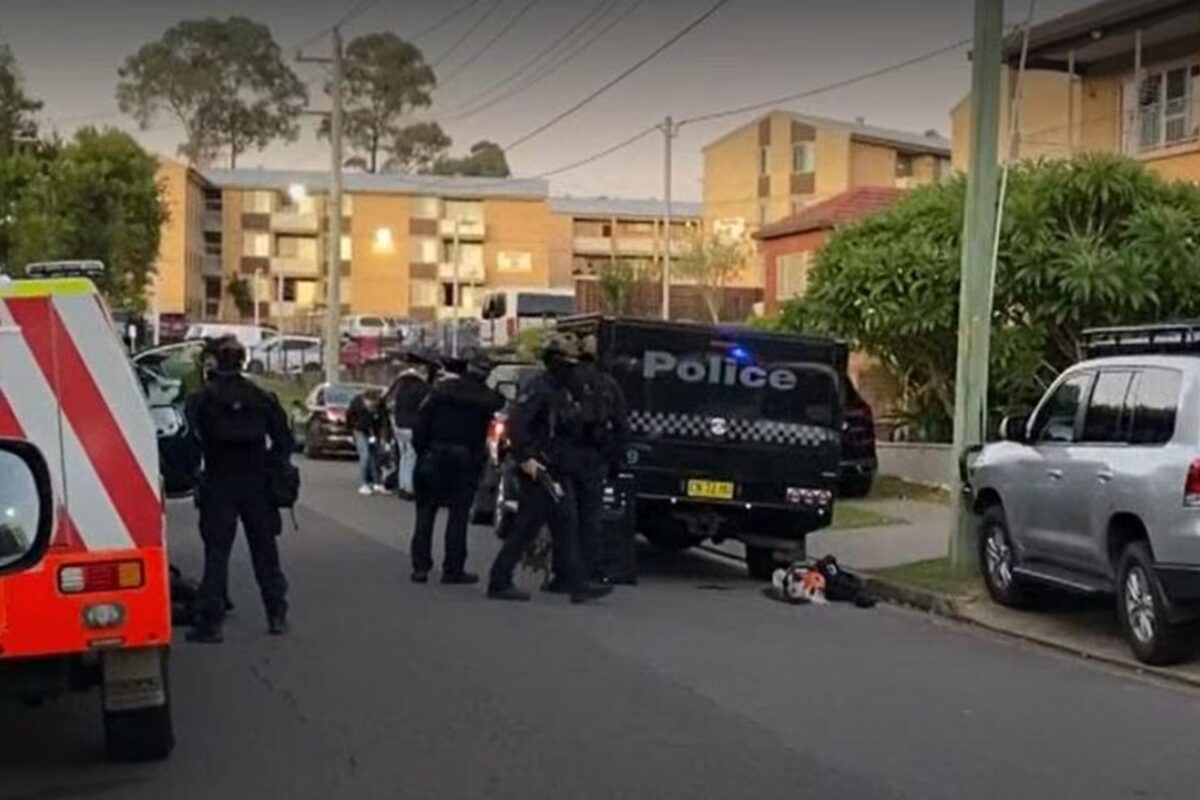
The package includes additional security funding for community sites identified as higher risk, alongside grants for community-led wellbeing initiatives. These measures are designed to restore confidence, support social cohesion, and counter fear-driven division within Sydney communities.
Table: Key Bondi Recovery Support Options
| Support Area | What’s Available | Access Point |
|---|---|---|
| Victim assistance | Financial aid, counselling | NSW Victims Support |
| Mental health | Free trauma counselling | NSW Health services |
| Small business | Grants up to $25,000 | Service NSW |
| Community security | Protective funding | State & federal programs |
| Information | Recovery guidance | Community hubs |
The Bondi recovery package reflects a broader understanding of Sydney terrorism prevention. Safety is not only about stopping violence, but also about supporting people and communities in its aftermath. By combining financial aid, mental health care and community investment, the response aims to strengthen resilience and help Sydney move forward together.


