

Most Aussie gamers know the feeling of a console overheating during a long session, but this weekend it’s our sporting tech that’s at risk. With NSW staring down a brutal heatwave—Sydney’s west tipped to reach 40–41°C according to BOM—everything from GPS trackers to synthetic football boots may struggle. The Guardian and SMH warn that the heatwave’s intensity will peak on Saturday, right when most community and club sports take the field. As players face dangerous dehydration levels, the gear designed to support them is about to face its own toughest stress test yet (Weekend sport heat risks).
Wearable Technology May Become Less Reliable in Extreme Heat -Weekend sport heat risks
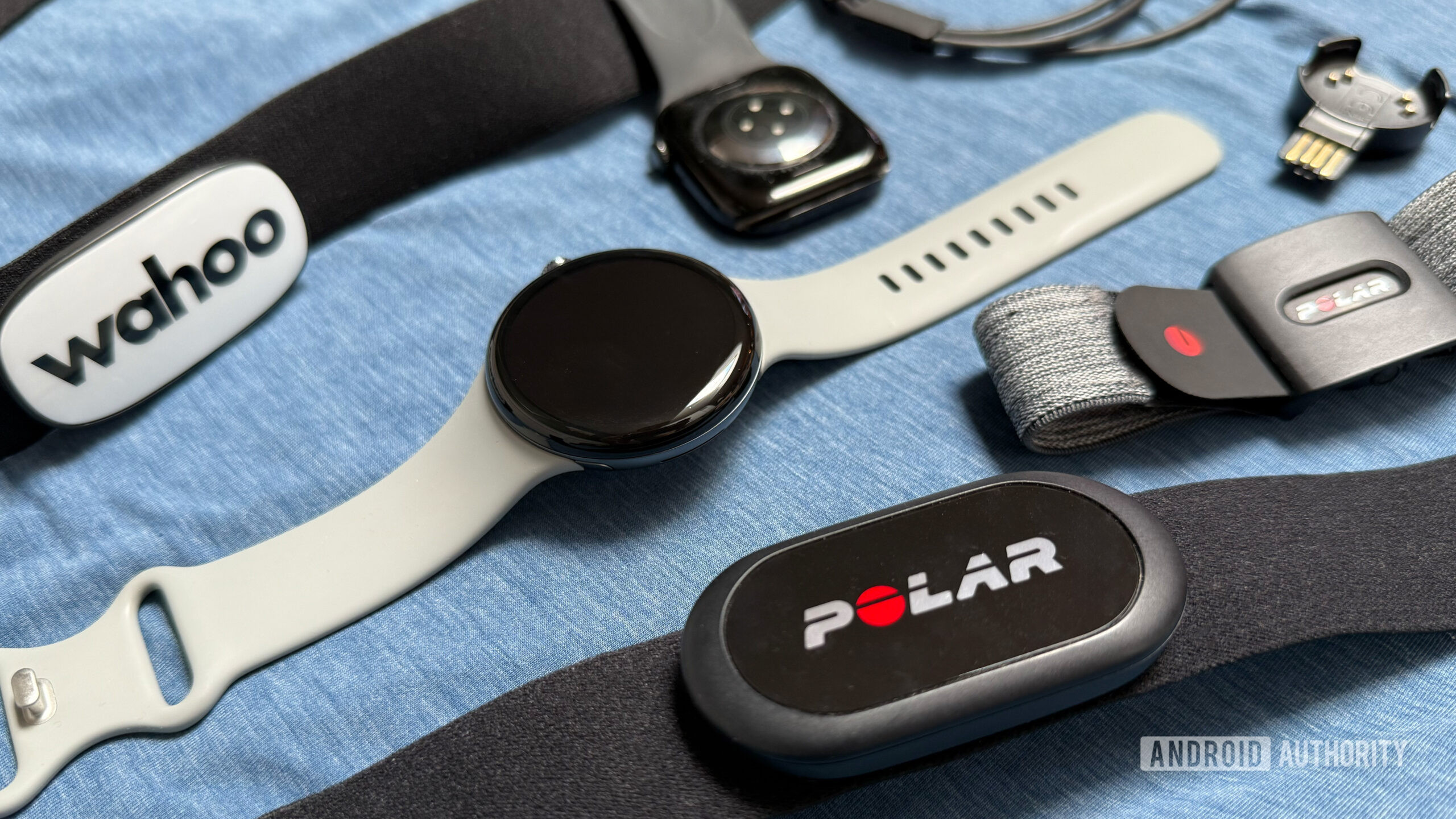
Modern sport relies heavily on GPS trackers, hydration monitors, and heart-rate systems, but these devices aren’t built for prolonged exposure to 40°C direct sunlight. Sky News notes that even professional cricket teams have struggled with tracker overheating during high-temperature rounds. When performance data becomes inaccurate or shuts off entirely, coaches lose critical insight into fatigue levels—and that can increase safety risks.
Footwear and Equipment Face Their Own Heatwave Challenges (Weekend sport heat risks)


Synthetic boots, padding, and gloves can warp or soften under excessive heat. Cricket pads, for example, become heavier as sweat saturates the foam, while soccer boots with thin uppers can expand slightly, altering fit. Meanwhile, cricket balls dry out faster, leading to altered swing patterns and difficulties maintaining shine. These subtle equipment changes can shift gameplay in ways many don’t expect.
Fields and Playing Surfaces Will Heat Up Far Beyond Air Temperature -Weekend sport heat risks

According to 7News, synthetic turf can reach 60°C or more during severe heatwaves. That’s hot enough to cause burns or blisters on athletes who fall, slide, or rest hands on the surface. Even natural grass fields grow patchy and dry, becoming harder on joints and increasing injury risk. Weekend sport played on heat-soaked grounds transforms into a challenge of endurance and caution rather than performance.
Hydration Tech May Not Keep Pace With Actual Player Needs : Weekend sport heat risks

While many clubs use hydration sensors or smart bottles to track fluid intake, extreme heat causes water loss rates to spike beyond normal ranges. During heatwaves, players may require nearly double their usual hydration volume. The SMH warns that relying too heavily on tech without adjusting for environmental extremes can produce misleading safety signals.
Coaching and Umpiring Tools Are Affected Too

Communication systems used by referees or coaching staff can lose battery faster under extreme heat. Tablets used for match records may overheat and shut down. Even whistles become hot enough to handle uncomfortably. These friction points may not make headlines, but they complicate match management and can compromise safety decisions during critical moments.
Table: How Extreme Heat Affects Sports Technology
| Tech / Equipment | Heatwave Effect | Risk to Sport |
|---|---|---|
| GPS trackers | Overheat, inaccurate readings | Fatigue mismanagement |
| Synthetic boots | Material softening | Loss of stability |
| Cricket balls | Faster drying | Altered gameplay |
| Turf fields | Up to 60°C surface temps | Burn + injury risk |
| Communication devices | Fast battery drain | Lost coordination |
This weekend’s heatwave won’t just test athletes—it will test the gear, technology, and surfaces that modern sport depends on. As temperatures push beyond 40°C, wearables may malfunction, fields may become hazardous, and equipment may perform unpredictably. It’s a reminder that extreme heat doesn’t impact just the people on the field; it reshapes the game itself. For many clubs, the smartest move may be to modify, reschedule, or even cancel matches until conditions return to levels both players and technology can safely handle.


