

When you watch enough Test rugby, you learn something important: matches aren’t always won in collisions or set pieces. Sometimes they’re won in pauses, hesitations, and emotional cracks that barely show on camera. That’s exactly what happened at 33-19 Twickenham.
England didn’t just put points on New Zealand. They got inside their head and slowed the game down just enough and disrupted structure. They forced doubt. The All Blacks didn’t collapse physically — they collapsed mentally.
And if Australian rugby is paying attention, it should terrify us. Because this wasn’t just tactical execution. It was psychological warfare. And England played it like they’d been waiting years for this moment.
Where to Watch the Replay (33-19 Twickenham)
| Platform | Availability in Australia | Requirements |
|---|---|---|
| Stan Sport (Official AU Broadcaster) | Yes | Stan subscription + Sport add-on |
| Kayo Sports / Fox Sports | Yes (depending on rights) | Kayo or Foxtel subscription |
| Sky Sport NZ (Official NZ Stream) | Geo-blocked in AU | Sky NZ subscription or VPN |
| BBC iPlayer (Free UK Stream) | UK IP required | Free account + VPN |
| RugbyPass TV (World Rugby) | Some matches free | Free account |
| YouTube World Rugby Highlights | Free (highlights only) | No login |
The Moment Everything Changed- 33-19 Twickenham
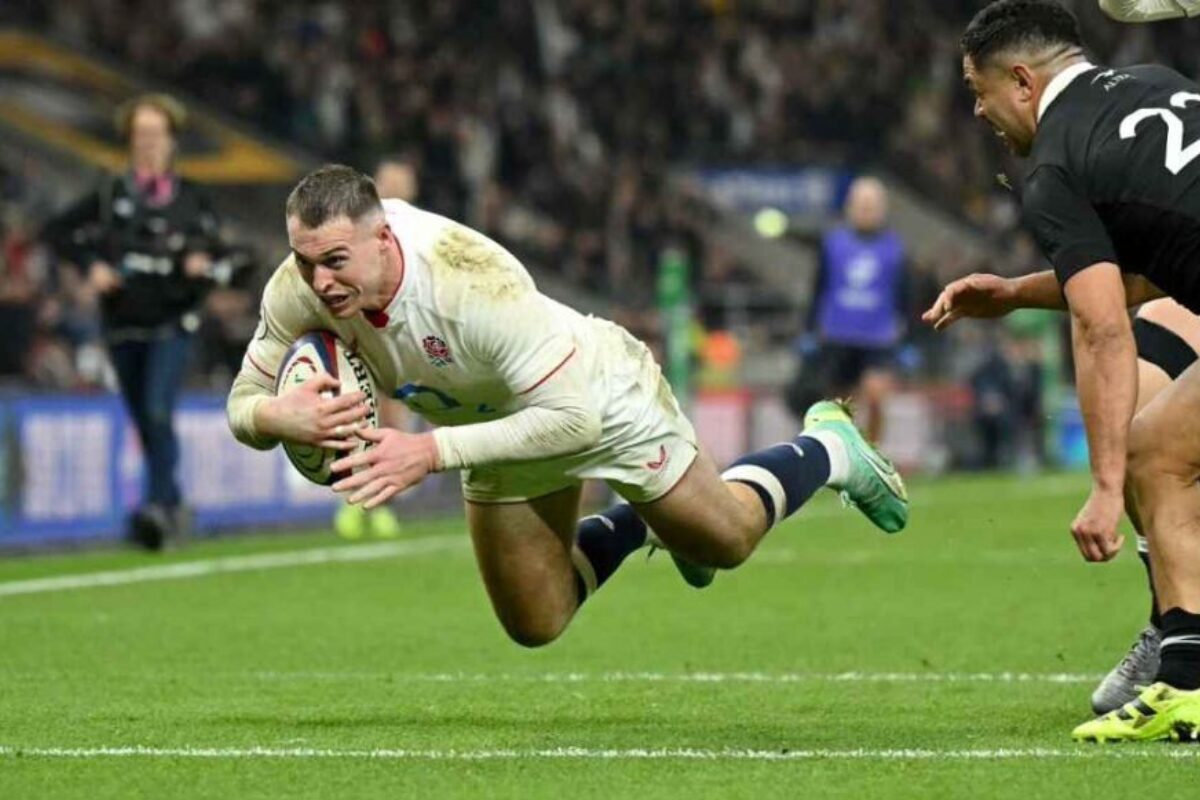

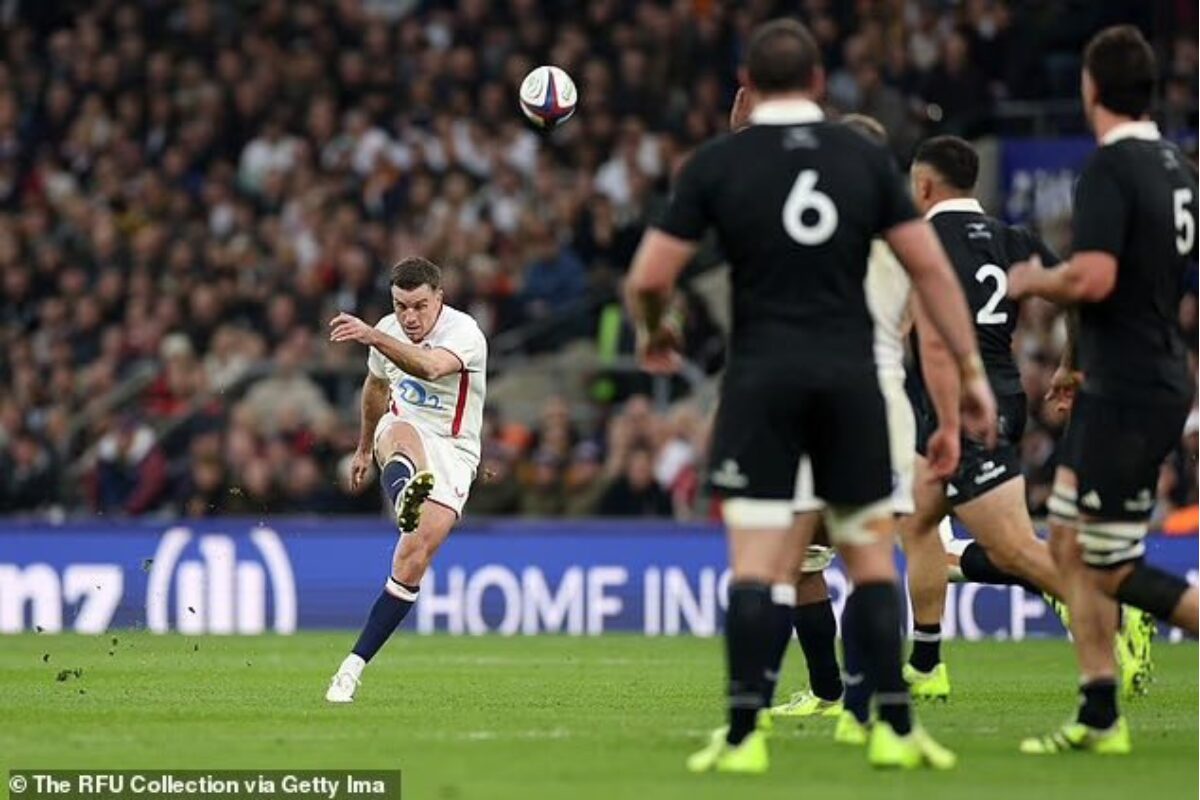
It wasn’t the first try and Ford’s drop goal. It wasn’t even the yellow card. The shift happened in something smaller: New Zealand stopped playing like New Zealand.
There was a hesitation in their next carry. The shoulders dropped after each penalty. The urgency disappeared. You could see it — not in the scoreboard, but in the hesitation.
England sensed it immediately, and they attacked the hesitation, not just the space.
How England Built Psychological Pressure : 33-19 Twickenham
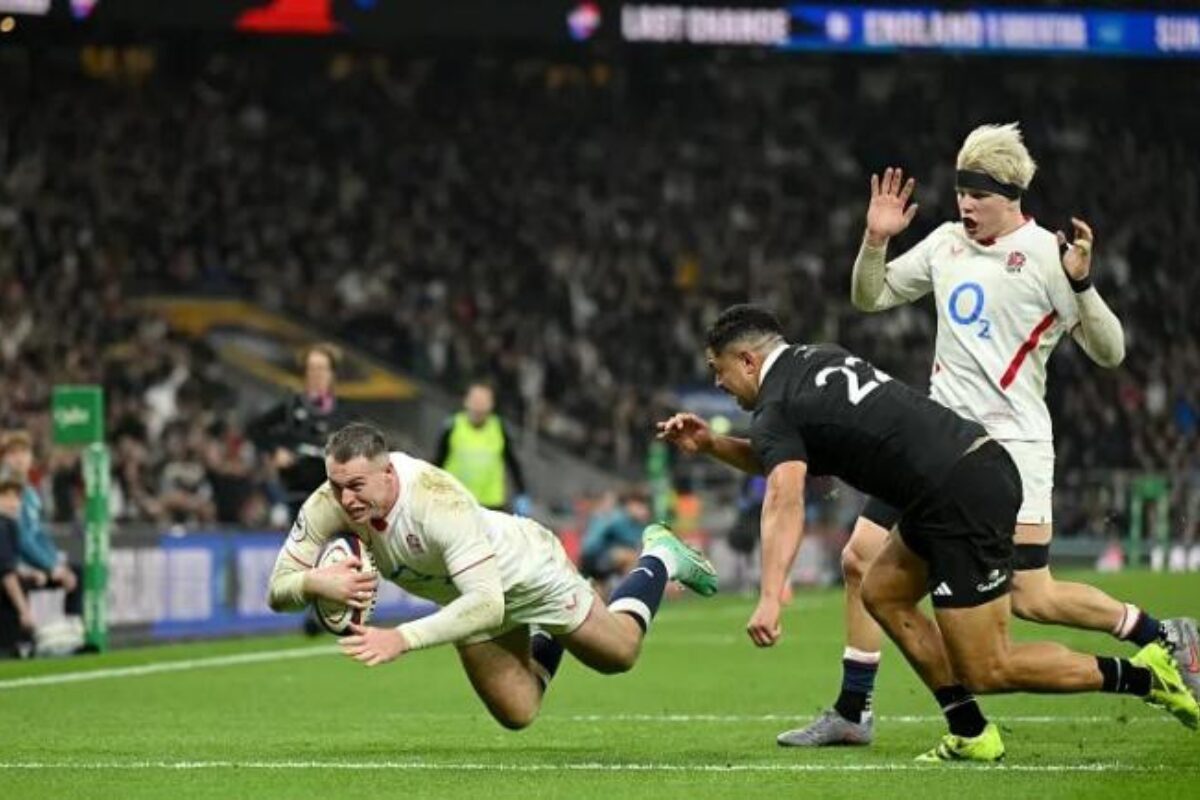
Many fans think momentum magically appears. But England manufactured it — phase by phase, decision by decision.
Key psychological plays:
- Ford took drop goals instead of forcing tries, which shifted pressure back on NZ
- England slowed the ruck tempo, disrupting New Zealand rhythm
- They played structured kicking to frustrate counterattackers
- Body language was calm, nearly indifferent — and that unnerved the All Blacks
New Zealand tried to accelerate their way out of trouble, but England never chased them. They waited.
Breakdown of the Psychological Shift (33-19 Twickenham)
Once the All Blacks lost emotional stability, their system followed.
The All Blacks Were Physically Fine — But Emotionally Vulnerable
This part matters. New Zealand did not lose because of exhaustion. They lost because England infected their decision-making. The All Blacks started making choices that did not look like All Black rugby.
This is what mental pressure does:
- Players rush kicks
- Leaders stop resetting
- Support lines break down
- Defensive spacing widens
- Offloads become desperate
- Structure becomes improvisation
That’s exactly what England created. And they did it quietly — almost politely.
Why This Matters Deeply for Australia
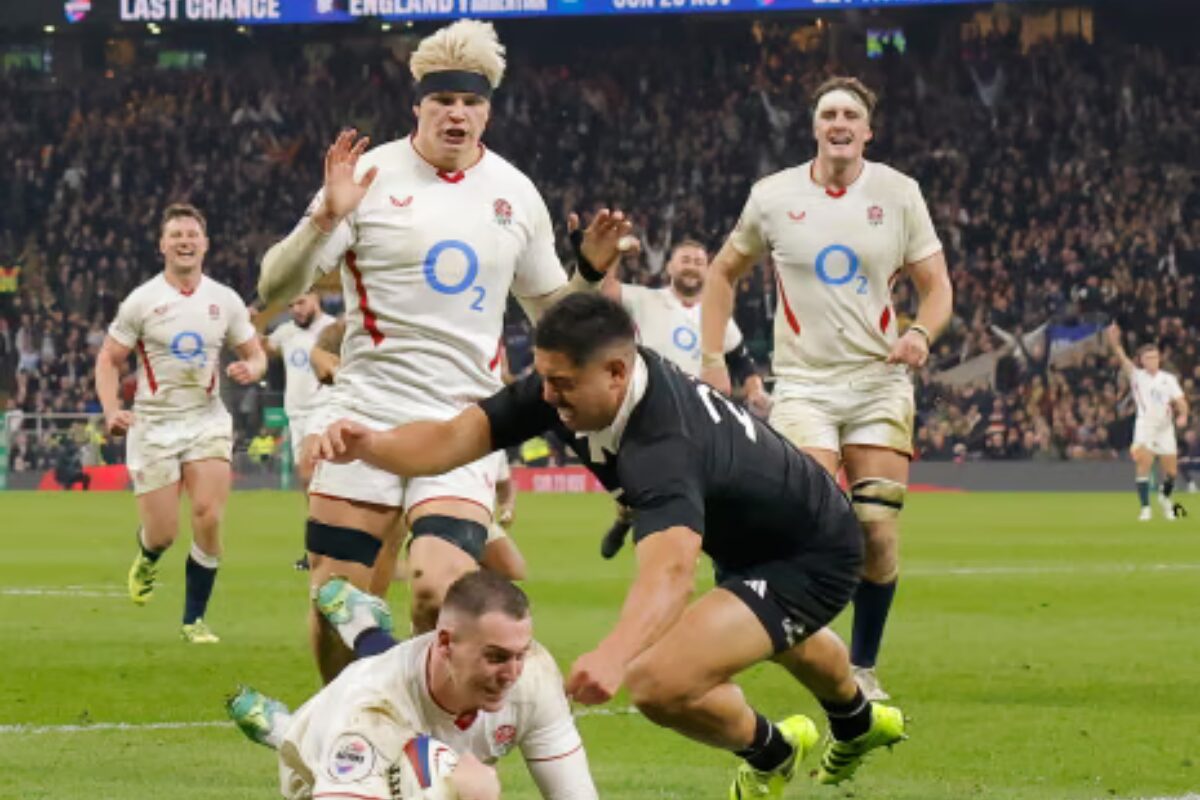
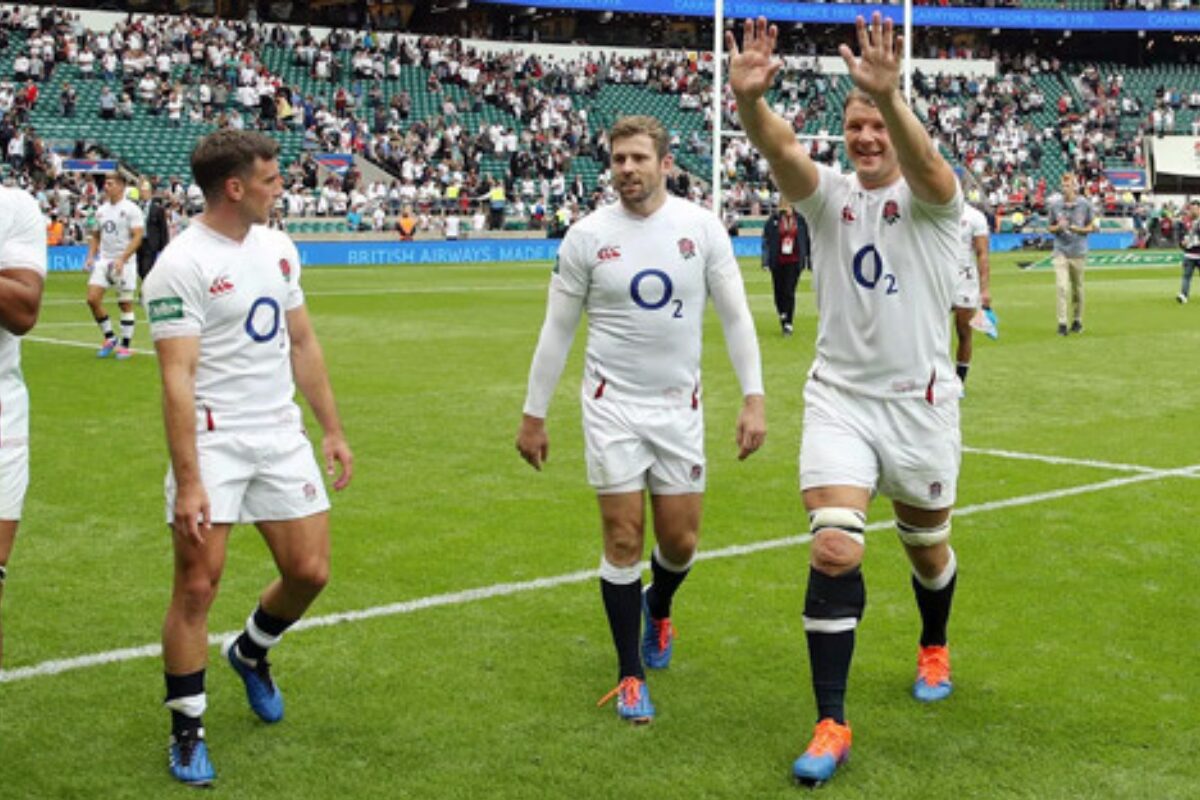
Australia does not lose rugby matches because of fitness. We lose because of emotional collapse, because confidence shatters. We lose because momentum breaks and we panic.
Watching England do to New Zealand what so many teams have done to us… it hits harder than most fans want to admit.
England didn’t win because they are bigger. They didn’t win because they are faster. They won because they managed their headspace better than the most iconic rugby brand on earth.
That’s what Australia must learn — urgently.
How Mental Rugby Works (And Why We Ignore It Too Often)
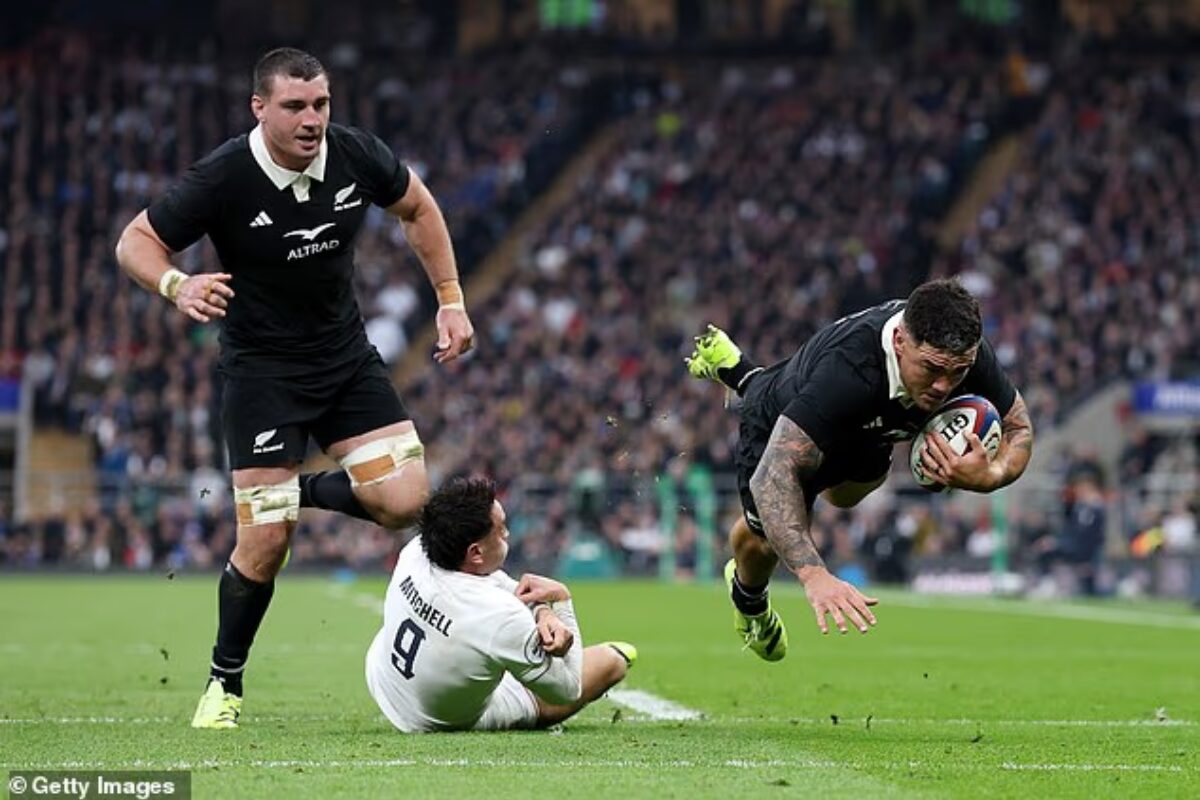
Rugby people love talking about shapes, systems and selections. But mental pressure is a real tactic. It’s not vibes, not superstition and measurable.
England used:
- Controlled tempo to reduce panic
- Scoreboard pressure to trigger overreactions
- Kick placement to isolate individuals
- Body language as a weapon
Meanwhile, New Zealand played emotionally — not tactically — in the second half. For once, they were the wall crumbling under pressure.
England’s 33–19 win over the All Blacks wasn’t just a result. It was a message showed the world that New Zealand can be beaten mentally, not just physically. It showed everyone that pressure is a tactic, not an accident. And it reminded Australia that our biggest opponent might not be our talent level — but our self-belief.
If the Wallabies want to rise again, they need what England had at Twickenham: emotional composure, mental structure, and total confidence in the plan.
Because once your head goes, the score follows.


